

GUM HEALTH AND CARE
Gum Health and Care
A personal plan for healthy gums.
We assess gum bleeding, recession and tartar build-up together. We create a treatment and regular care plan suited to your needs.
The final treatment plan is determined by a dental examination. Clinical images are representative.
01ASSESSMENT AND PLANNING
A personal plan for healthy gums.
- Gum findings
- Bleeding, recession, plaque and tartar build-up are assessed.
- Supporting tissues
- The supporting tissues are examined with gum pocket measurements and any necessary imaging.
- Care needs
- Oral hygiene, existing treatments and the need for check-ups are discussed.
- Health history
- Illnesses, medication, allergies and previous dental treatments are assessed.
02TREATMENT AND CARE OPTIONS
Explore the area that suits your needs.
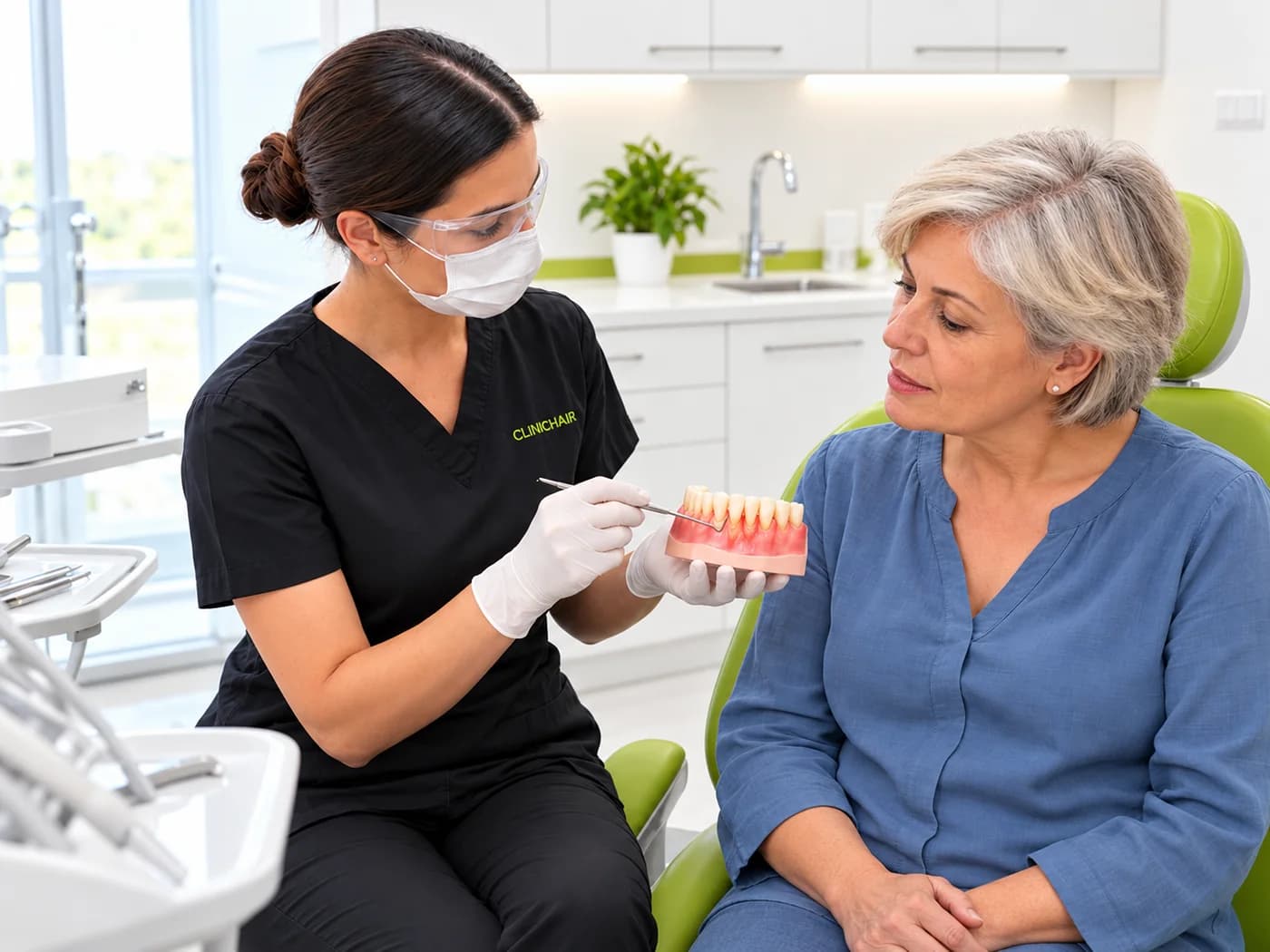
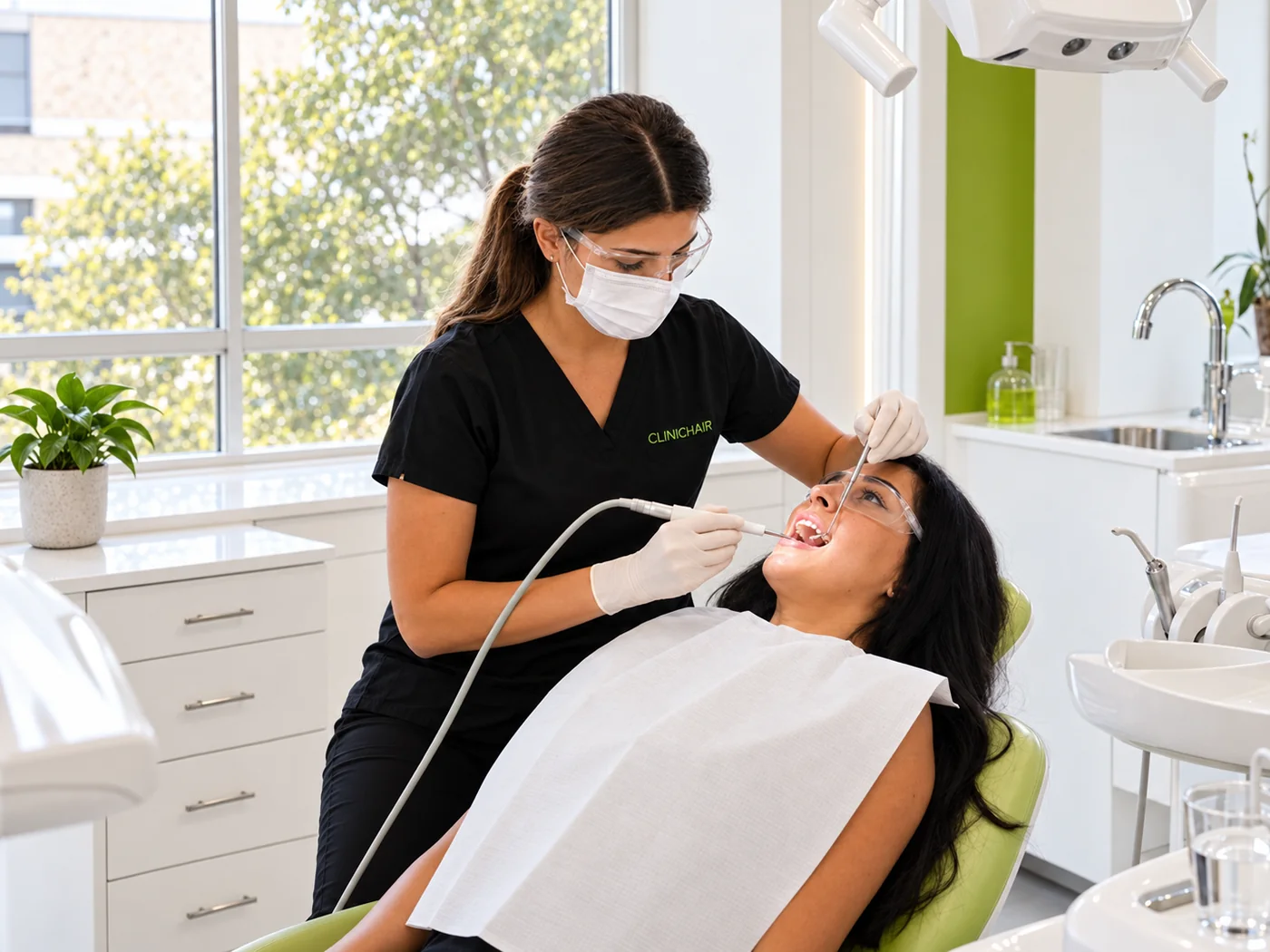
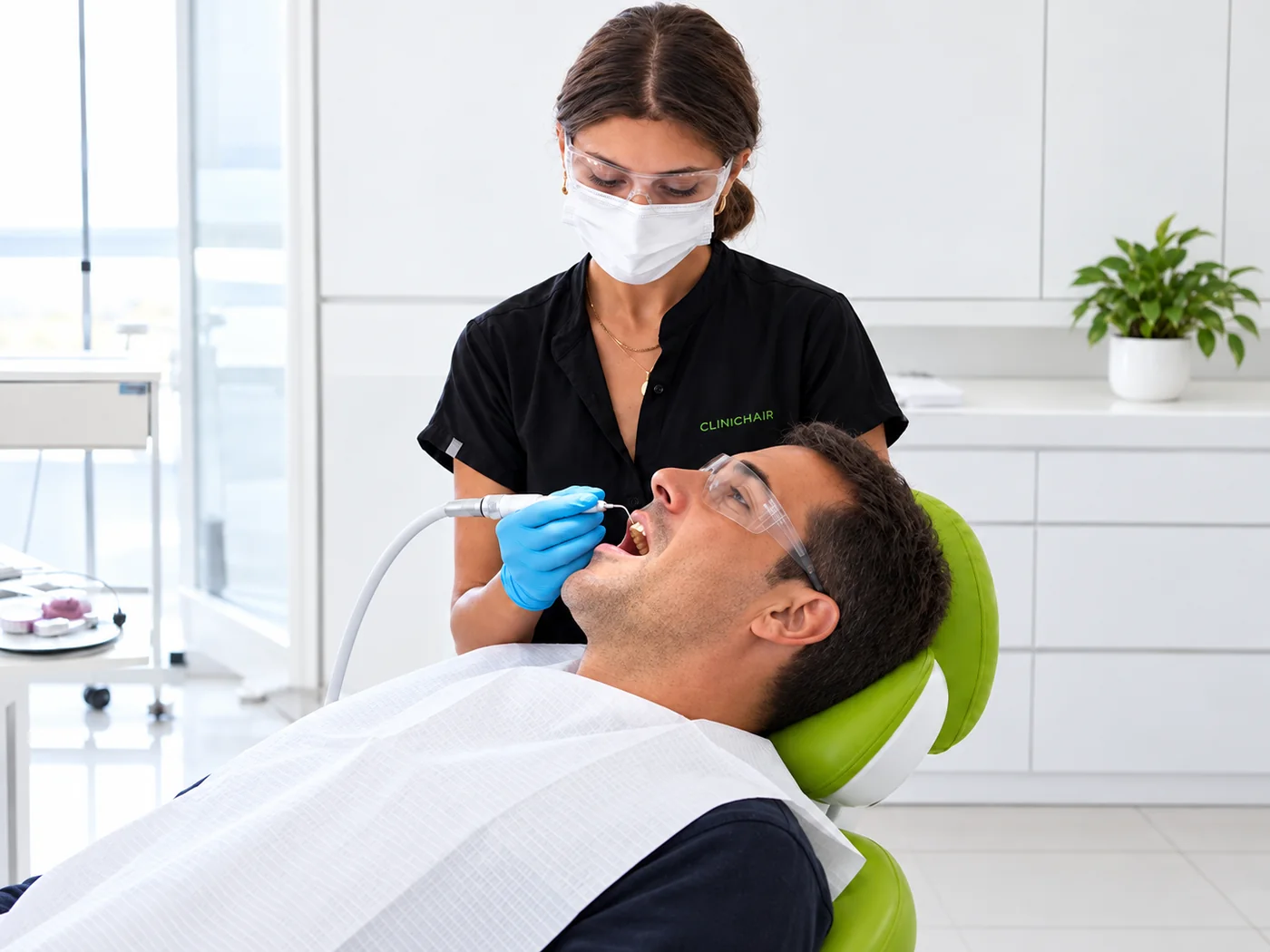
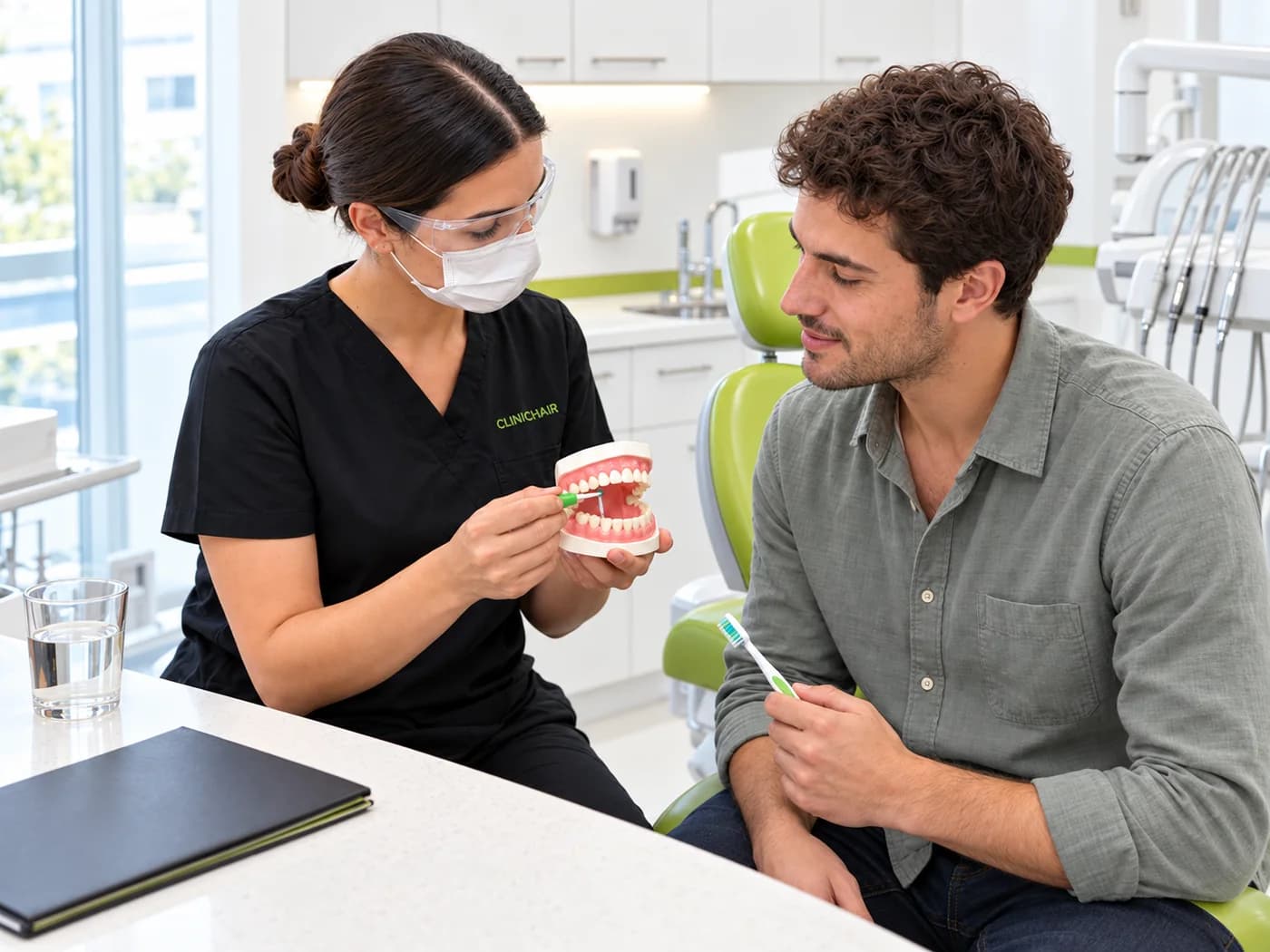
Choosing the right tools and products for you.
The tools and products used in the clinic and for home care are chosen according to your examination findings.
You can ask your dentist about the contents, intended use and type-appropriate registration details of the products.
Trust and transparency in material and product information.
We check the registration and label details of products and components under Ministry of Health/TİTCK regulations. We look at the ÜTS registration details of the relevant products; ÜTS registration does not mean Ministry approval.
Depending on the product, we check the manufacturer, contents, lot/serial number and expiry date. We share usage recommendations for personal care products according to your examination findings.
03CARE AND FOLLOW-UP
From clinical care to daily habits.
Clinical treatment
Cleaning and any necessary treatment steps are planned according to the examination findings.
Home oral care
Personal recommendations for brushing and cleaning between the teeth are shared.
Regular check-ups
Gum findings are reassessed; the check-up interval is set according to need.
04FREQUENTLY ASKED QUESTIONS
About gum health.
Is bleeding from the gums normal?
Bleeding can be a sign of gum inflammation. Its cause is assessed at an examination, and a suitable treatment and care plan is decided accordingly. Do not accept recurrent bleeding when brushing or cleaning between the teeth as normal. If your gums are also swollen or red, or you have bad breath, mention this to your dentist.
Should I brush my teeth while there is bleeding?
Yes. Stopping cleaning altogether because of bleeding can increase plaque build-up. Keep brushing gently with a soft brush without straining the gums, and continue cleaning between the teeth in the way that suits you. Have an examination for recurrent bleeding. If you have recently had surgery, follow the specific care instructions given for that area.
What is the difference between gum inflammation and periodontitis?
Gingivitis is inflammation limited to the gums; it can improve with suitable cleaning and care. In periodontitis, the tissues and bone that support the tooth are also affected. Pockets, recession or loose teeth may occur. Because the disease does not always cause pain, you cannot tell them apart from your symptoms alone; gum measurements and, when needed, imaging are required.
How is gum recession assessed?
The location, extent and likely cause of the recession are examined. Gum measurements, sensitivity and brushing habits are considered together; the supporting tissues are checked with any necessary imaging. Not every recession means advanced gum disease. Factors such as hard brushing are also investigated; care and treatment recommendations are shaped by the cause.
Does receded gum grow back by itself?
Lost gum tissue does not regenerate by itself. First, it is important to bring the cause of the recession under control and to care for the area correctly. Not every recession needs surgery. In suitable cases, surgical options aimed at covering the exposed root surface can be discussed; how much coverage can be expected is explained at the examination according to the condition of the tissues.
Can tartar be removed by brushing?
No. While plaque is a soft layer, it can be removed with daily cleaning; once it hardens into tartar, a professional clean is needed. Do not try to scrape it at home with hard or sharp tools. Regular brushing and cleaning between the teeth help reduce new plaque build-up; they do not remove tartar that has already formed.
Does tartar removal damage the teeth?
A professional clean done with suitable instruments and technique aims to remove deposits from the tooth surface. Existing sensitivity, fillings, prostheses and the condition of the gums are checked before the procedure. Temporary sensitivity after cleaning, or gaps that were previously covered by tartar becoming more visible, does not on its own mean the tooth has been damaged.
What is the difference between tartar removal and polishing?
Tartar removal removes hardened deposits. Polishing, where appropriate, aims to remove surface stains and smooth the surface; it does not replace tartar removal. If needed, both can be done within the same care plan. Which stages are needed is explained according to the build-up and surface stains.
Is cleaning painful; will there be sensitivity afterwards?
Sensitivity varies from person to person. With inflamed gums or exposed root surfaces, discomfort can be more noticeable; breaks can be taken when needed or local anaesthesia can be used. Afterwards, temporary sensitivity and slight bleeding may occur. The expected course of any complaints is explained according to the procedure; contact the clinic if complaints increase or do not go away.
Is tartar removal enough on its own?
Not always. In the early stage, a professional clean and daily care may be enough, but if there are deep gum pockets, the root surfaces below the gum may also need cleaning. After healing, the measurements are repeated. Depending on the remaining findings, further treatment or, in suitable cases, surgical options are discussed.
When is periodontal maintenance needed?
It is needed especially for people who have had gum treatment, to monitor the health of the tissues and keep re-forming deposits under control. At appointments, comparison with previous measurements, any necessary cleaning and updates to care recommendations are done together. Follow-up continues even without complaints; the interval is set according to the history of the disease, current findings and personal risks.
What should daily care at home be; is mouthwash enough?
Brush twice a day with fluoride toothpaste and clean between the teeth every day with floss or an interdental brush suited to your mouth. Decide the size of the aid and how to use it with your dentist. Mouthwash does not replace this cleaning and is not necessary for everyone. If it has been recommended, follow the product's duration of use and timing.
Do implants and prostheses need special care?
Yes. Suitable cleaning tools are chosen for the area around implants and the hard-to-reach areas of prostheses. The technique is demonstrated; professional check-ups complement daily care. Fixed and removable prostheses are cared for differently. If you notice new bleeding or swelling around an implant, or loosening of a prosthesis, let the clinic know without waiting for the planned check-up.
Do smoking, diabetes and medication affect the gums?
Yes. Smoking can increase the risk of gum disease and make healing harder; it can also make bleeding less visible. Diabetes can affect gum health, especially if blood sugar is not well controlled. Some medicines can also change care needs. Tell your dentist about your illnesses and medication; do not stop your medication on your own.
Which symptoms mean I should see a dentist without waiting?
See a dentist without delay if you have severe pain, marked or rapidly increasing swelling, pus, fever or a tooth that has newly become loose. Book an appointment for recurrent bleeding too. If swelling spreads to the face or neck, or you have difficulty breathing or swallowing, get emergency help; in Türkiye call 112.
How are the fee and the follow-up scope agreed?
We clarify the scope of treatment and follow-up from the start. Within the plan you approve, you will not face surprise extra charges. We explain which of the cleaning, any additional periodontal treatment and check-ups are included in the plan. If later findings show a different procedure is needed, we discuss its scope and cost with you before carrying it out.
Question not answered here?Message our patient adviser
This page is for general information. A personal assessment is made at a dental examination.
Updated: 4 October 2026