

PLASTIC SURGERY
Rhinoplasty
Nasal appearance and breathing, as a whole.
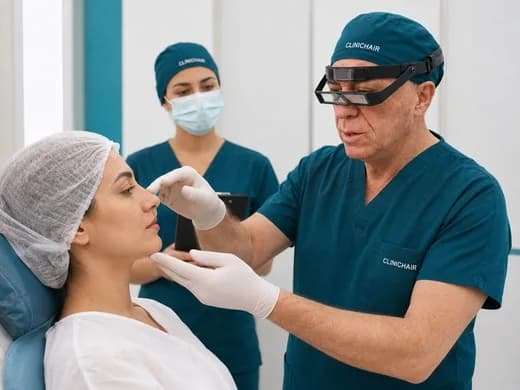
We consider the structure of the nose together with your facial proportions, skin characteristics and breathing. At the examination, we discuss the change you are aiming for and the limits of surgery to choose the suitable approach.
The final plan is determined by the physician's examination and the necessary assessments.
Clinical images are representative.
01ASSESSMENT AND PLANNING
Let's consider harmony with your face together with function.
- Nasal and facial structure
- The nasal bridge, tip, skin thickness and facial proportions are assessed.
- Breathing
- Complaints of blockage and the internal structures of the nose are examined.
- Health history
- Illnesses, medication, smoking, injuries and previous surgery are discussed.
- Personal goals
- The expected change, realistic limits and surgical suitability are assessed together.
02METHOD AND PROCEDURE
A surgical approach suited to your anatomy.
The choice between an open and a closed approach depends on the structure of the nose, breathing needs and the targeted change.
Open approach
Gives direct access to the structures of the nose. Which adjustments are needed is decisive in choosing this approach.
Closed approach
The incisions are made inside the nose. Its suitability depends on the anatomy and the surgical adjustments to be made.
Function and appearance
Nasal support and the airway are part of the surgical decision. We investigate the source of any breathing complaint separately.
Your comfort during the procedure
In rhinoplasty, anaesthesia and pain control after surgery are part of the preparation consultation. You can share your previous experiences of anaesthesia and your concerns. After you wake up, you are given information about the feeling of fullness in the nose and any splint or packing to be used; tell the team about any discomfort.
03CARE AND FOLLOW-UP
Let's follow your recovery step by step.
The first days
Swelling, bruising and temporary blockage may occur. Personal advice is shared on the splint and nasal care.
Check-up consultations
Wound healing, the appearance of the nose and breathing are assessed. Check-up times are set by the surgeon.
Returning to daily life
Advice on sport, glasses and protecting the nose from pressure is adjusted according to the procedure carried out.
04FREQUENTLY ASKED QUESTIONS
Common questions about rhinoplasty
What are the suitable age and health conditions for rhinoplasty?
It is important that growth of the nose and face is complete; calendar age alone is not the measure. Your general health, the structure of your nose and the change you expect are considered together. Smoking, chronic illnesses, previous nasal injuries and surgery can affect suitability. At the first consultation, share your expectations for breathing as well as appearance.
Is open or closed rhinoplasty right for me?
The choice is made according to the structure of the nose, previous procedures and the targeted change. No single method is superior or suitable for everyone.
Is my breathing complaint also assessed?
Yes. As well as the appearance of the nose, we consider your complaints of blockage and the internal structures of the nose. We examine nasal support and the airway together. Because not every breathing problem has the same cause, we clarify functional needs at the personal examination.
Does digital planning guarantee the result?
No. If digital planning is done, the image shown helps discuss the targeted change; it is not a guarantee of the final result. The structure of your nose, your skin characteristics, previous procedures and the healing process also affect the final appearance.
Can I be assessed again if I have had surgery before?
Yes, your previous surgery is taken into account in the new assessment. Share the procedures you have had, your breathing and your expectations. The current structure of the nose, tissue characteristics and any cartilage support that may be needed are considered at the examination; the surgical scope is discussed accordingly.
When is cartilage support needed?
Cartilage can be used to strengthen nasal support or to reshape certain parts. The source is usually the septum inside the nose; especially after previous surgery, ear or rib cartilage may be needed. Not every rhinoplasty requires this. Where tissue will be taken from, any additional incision and healing details are discussed with you before the procedure.
Which anaesthesia is used; do I need to stay in hospital?
Rhinoplasty is usually done under general anaesthesia; for some limited procedures, other options may be possible. The duration and hospital stay depend on details such as work inside the nose and the need for additional cartilage. At the anaesthesia consultation, we discuss your health and confirm the arrangements for the day of surgery and going home in advance. Arrange for someone to accompany you at discharge.
What should I pay attention to while preparing for surgery?
Share the medication, vitamins and herbal products you use, your allergies and previous experiences of anaesthesia. Do not stop blood thinners or any other medicine on your own; the relevant physicians make the necessary adjustments. Discuss support to quit smoking and nicotine. Follow the anaesthesia instructions on fasting and fluids; tell the team about any new infection.
Is packing or a splint always used?
Whether a splint is placed outside the nose or a silicone support or packing inside depends on the procedure. Not all of these are used in every patient. If they are, find out what they are for and at which check-up they will be removed; do not remove them yourself. In the first days, you may feel blocked because of swelling and the supports. Tell the team about more pain or bleeding than expected.
How should I clean my nose and how should I sleep?
Use the nasal cleaning and sprays recommended to you as described; do not pick off crusts or put objects into the nose. During the initial healing period, avoid blowing your nose and keep your mouth open when you sneeze. Rest with your head raised, do not press on the nose and keep the splint dry. Confirm how long to take these precautions with your team at the first check-ups.
How are swelling and scars followed up?
At check-ups, we monitor the easing of swelling, incision healing, the appearance of the nose and breathing together. Follow the personal advice given on the splint and nasal care. When the final appearance can be assessed depends on how the tissues heal.
When can I return to work and social life?
Many people take about one to two weeks off for desk work; bruising, swelling and the physical demands of the job can change this. Take into account wearing a splint and whether you need to work face to face with people. Feeling well does not mean the nose is ready for knocks or intense exercise; return gradually according to the check-up advice.
When can I do sport and wear glasses?
No single return date is given for sport, wearing glasses and activities that could put pressure on the nose. Advice is shared according to the procedure carried out and your check-up findings. Tell us about your daily life and sporting habits at the consultation; let's confirm together how to protect the nasal area.
When does the shape of the nose settle?
Once the swelling of the first weeks eases, the change is easier to notice; fine details, and the tip of the nose in particular, take months to settle. For most people the final appearance becomes clearer at about one year; with thick skin or revision surgery it can take longer. It is better not to draw firm conclusions about the result from daily changes in swelling in the early period.
What are the risks; which symptoms mean I should get help?
At the consultation, we discuss risks such as bleeding, infection, persistent breathing difficulty, changes in smell or the need for further correction. Contact the team without delay if you have marked bleeding that will not stop, increasing pain, fever or foul-smelling discharge. With symptoms such as sudden severe breathing difficulty or fainting, do not wait for a check-up appointment; call 112.
How are the fee and the follow-up scope agreed?
We confirm together the surgical method, anaesthesia, place of surgery and scope of follow-up before the procedure. You can decide knowing which services are included in the price. If the scope of the plan changes, we share the reason and cost of the additional procedure in advance and proceed with your approval.
Question not answered here?Message our patient adviser
Explore plastic surgery servicesThis page is for general information. Personal assessment is made through a physician’s examination.