
ORAL & DENTAL HEALTH
Dental Prosthetic Treatments.
A personal plan for function and fit.
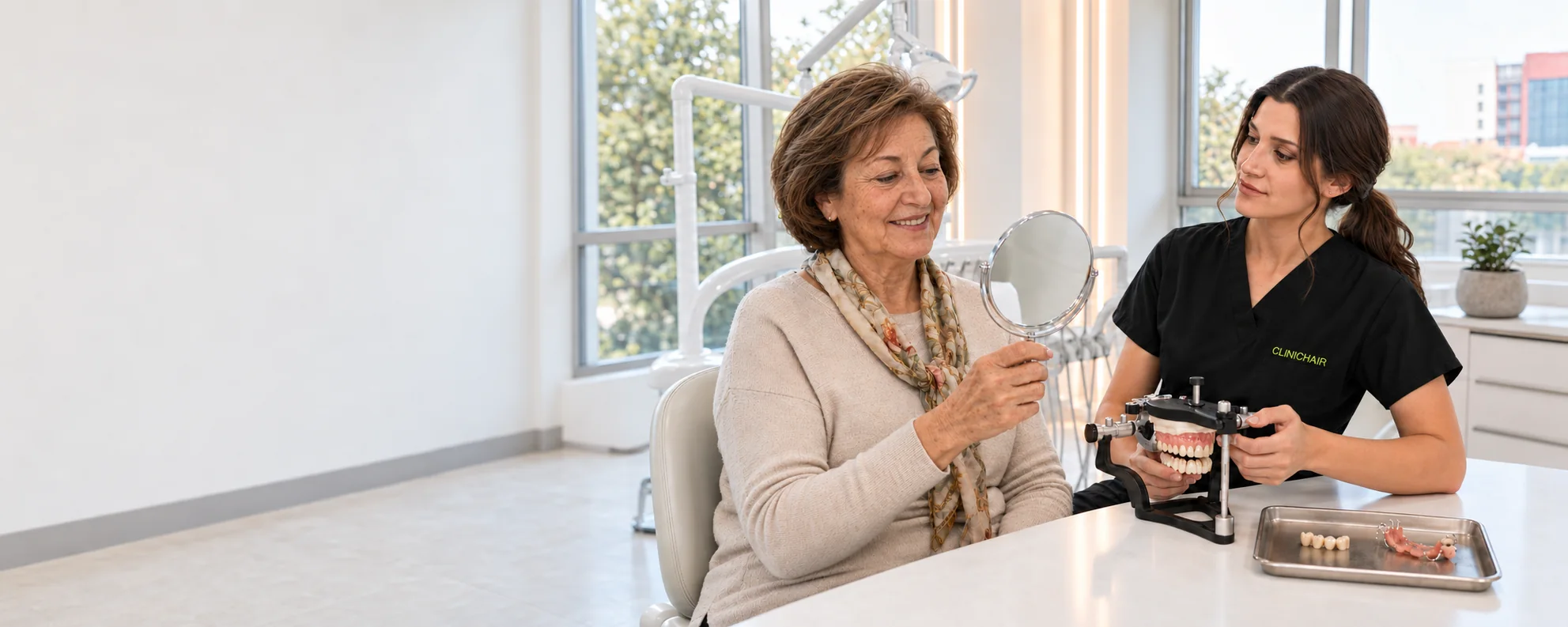
For missing teeth or teeth with advanced tissue loss, we assess chewing function and aesthetic harmony together. We plan prosthetic options according to your oral health, how you will use them and the tooth tissue that can be preserved.
The final treatment plan is determined by a dental examination.
Clinical images are representative.
01ASSESSMENT AND PLANNING
A personal plan for function and fit.
- Existing teeth
- The remaining teeth, supporting tissues and gum health are assessed.
- Jaw and bite
- Missing teeth, bone structure and the chewing relationship are examined.
- General health
- Medication, allergies and previous treatments are reviewed.
- Use and expectations
- Daily care, comfort in use and aesthetic goals are discussed.
- Options and limits
- Suitable types of prosthesis, possible benefits and alternatives are explained.
02PROSTHETIC OPTIONS
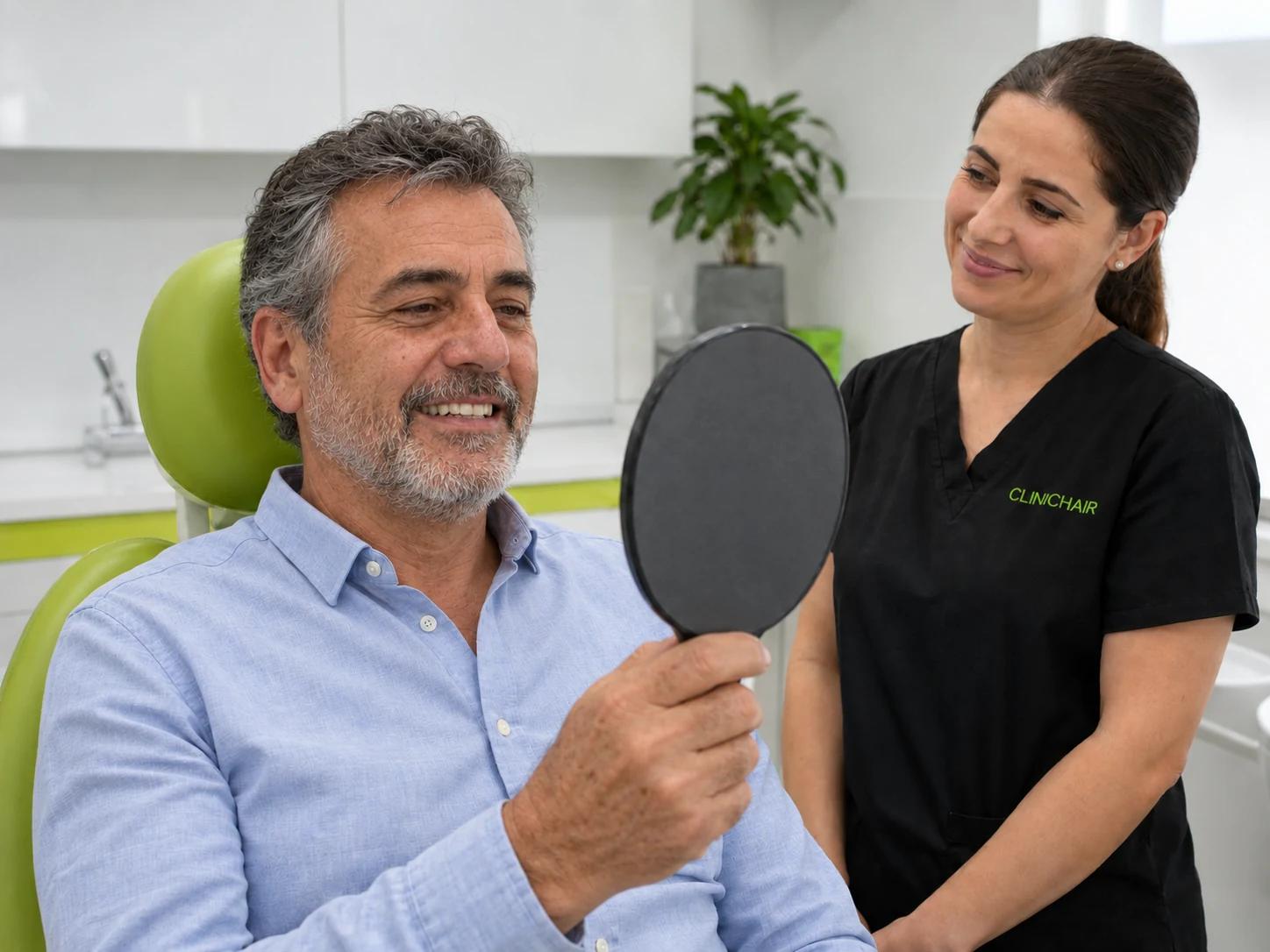
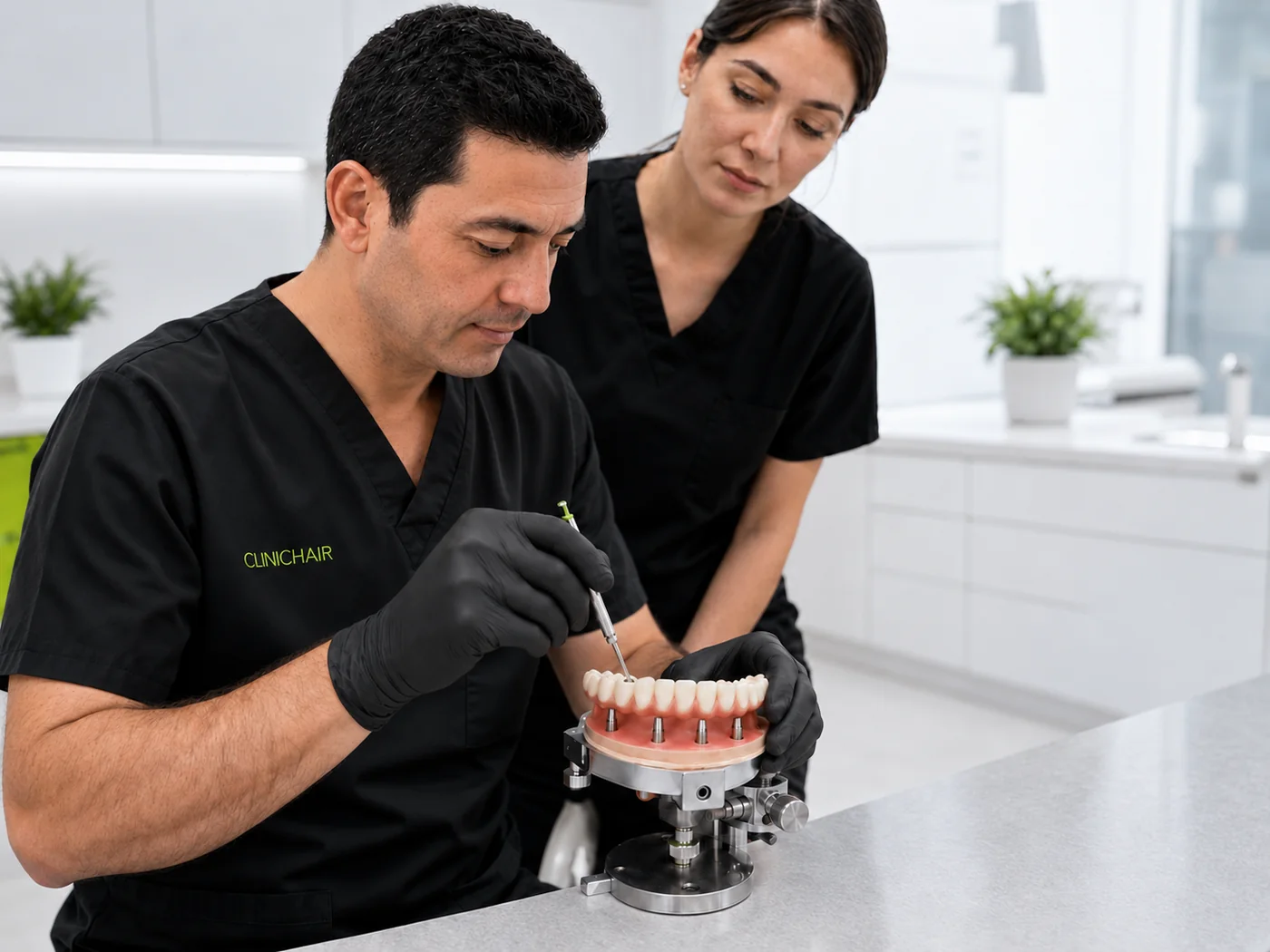
Explore the options that suit you.
03TREATMENT AND FOLLOW-UP PROCESS
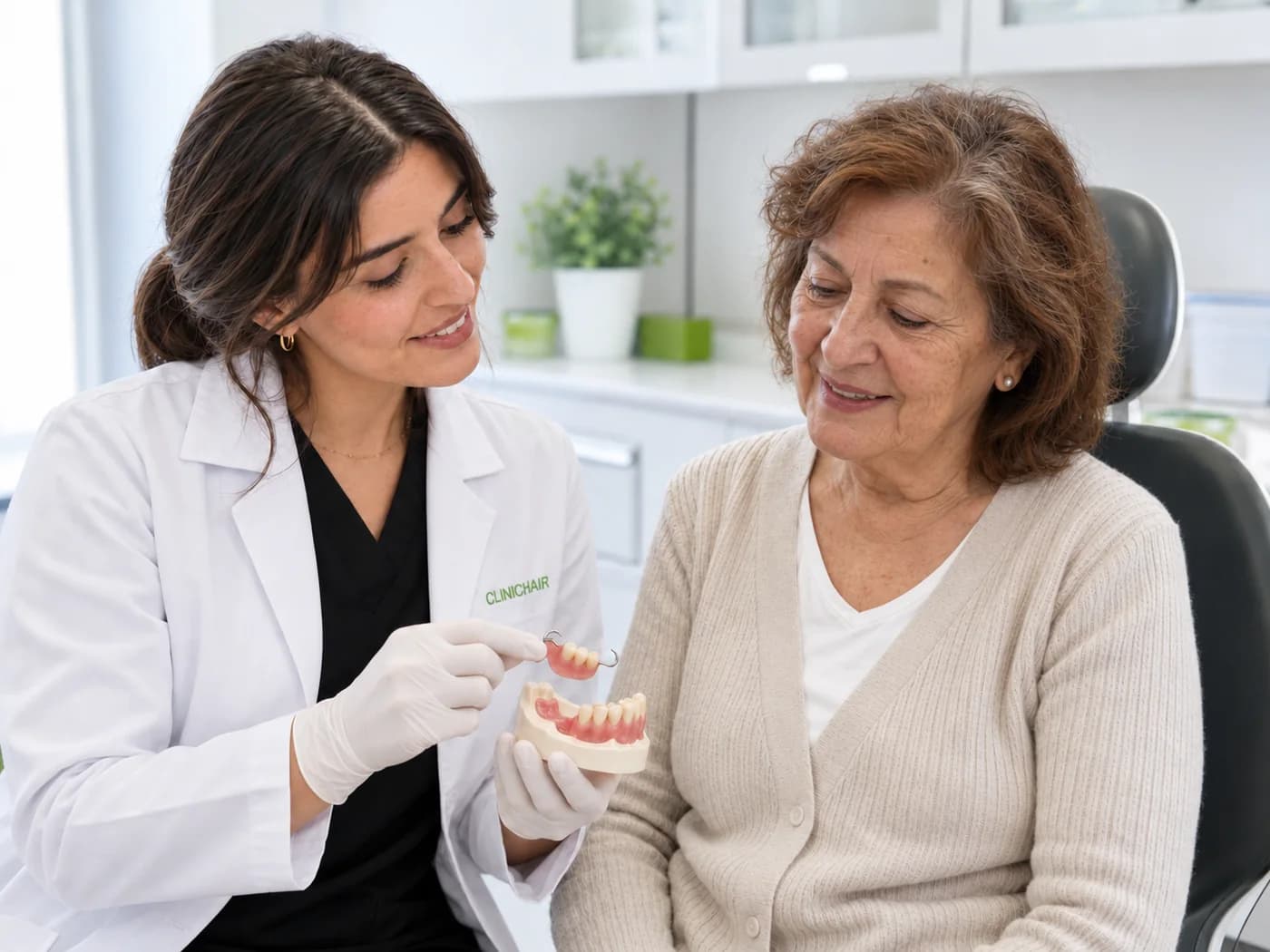
From impressions to regular check-ups.
- 1
Impressions and planning
The type of prosthesis, material options and treatment schedule are agreed together.
- 2
Try-in and fit
Fit in the mouth, appearance, speech and bite are checked.
- 3
Care and check-ups
Cleaning advice, the adjustment period and a personal check-up plan are shared.
04FREQUENTLY ASKED QUESTIONS
About prosthetic treatments.
Click a question to read the full answer.
Is a fixed or removable prosthesis right for me?
The choice depends on the remaining teeth, the condition of the bone and gums, the bite and how you will use it. Suitable options are assessed together at the examination.
Do my missing teeth definitely need implants?
No. Where suitable, missing teeth can also be replaced with bridges supported by natural teeth or with removable dentures. We discuss the implant option together with your remaining teeth, bone structure, general health and care needs. No single method suits everyone.
Is an implant-supported prosthesis always fixed?
No. Prostheses supported by implants can be fixed or removable. A fixed prosthesis is not removed by the patient; a removable one can be taken out and put back for daily cleaning. The supporting tissues, bite and daily care needs are considered together in the choice.
How is the prosthesis material chosen?
The condition of the supporting teeth or implants, gum health, chewing forces and how you will use the prosthesis are considered together. We discuss suitable material and framework options along with their appearance and care properties.
Will my teeth be reduced; is there a more conservative option?
Crowns and some bridge designs require tissue to be removed from the tooth; this is irreversible. The amount depends on the condition of the tooth and the chosen restoration. Where suitable, options that preserve more tooth tissue, such as fillings, inlays or onlays, are also discussed. Not every missing tooth is treated the same way.
How long does treatment take; how many times do I need to come?
More than one appointment may be needed for impressions, try-ins, fitting and fit checks. Laboratory stages, preparing existing teeth and any healing after extractions or implants affect the overall time. We set out your personal schedule after the examination; if you are travelling from another city, you can plan your trip around it.
Will I feel pain during prosthetic treatment?
Local anaesthesia is used to control pain where procedures require it. You may feel pressure or discomfort during impressions and try-ins. If you feel pain or would like a break, tell our team. Advice on sensitivity and care after the procedure is shared according to the treatment carried out.
Is a temporary prosthesis used during treatment?
Depending on the stage of treatment and the situation in the mouth, temporary teeth or a temporary prosthesis may be used. Whether it is needed, how to use it and when the switch to the permanent prosthesis will happen are explained in your personal treatment plan; the same option is not used in every treatment.
Can we choose the colour and look of my prosthesis together?
Yes. We discuss the colour, tooth shape and the look you expect together. At the try-in stage suited to the type of prosthesis, we check not only the appearance but also speech, bite and fit in the mouth. Your preferences are considered together with your existing teeth, face and lip structure, the material and function.
How does getting used to a prosthesis go?
The adjustment period varies with the type of prosthesis and the person. You can mention changes in speech and chewing at your check-up appointments. If there is rubbing, pain, a fracture or loosening, see your dentist; do not adjust the prosthesis yourself.
How are fixed and removable prostheses cleaned?
With fixed prostheses, the teeth, the spaces between them and the area under the bridge are cleaned with the tools and methods shown to you. A removable denture is taken out and cleaned with a soft brush and a cleaner suited to its material. Continue caring for your remaining teeth and oral tissues too. Avoid abrasive products and hot water that could deform the prosthesis.
Should I take my denture out at night?
Take your removable denture out at night unless your dentist advises otherwise; clean and store it in a way suited to its material. Different instructions may be given for the first days with dentures fitted immediately after extraction. Fixed prostheses are not removed by the patient; the advice to take them out at night does not apply to them.
What should I do if my prosthesis rubs, loosens or breaks?
Contact your clinic and book a check-up. Do not file, bend or glue the prosthesis yourself or try to tighten its connections. If there are broken pieces, bring them to the appointment. If pain, swelling, sores or bleeding increase, let us know without delay; depending on the cause, a fit adjustment or repair may be needed.
How long do prostheses last; why are check-ups important?
There is no single lifespan. The material, the condition of the supporting teeth or implants, chewing forces and care habits affect it. Tissues can change over time, and the prosthesis or its connecting parts can wear. Regular check-ups are important for monitoring oral health and prosthesis fit even without complaints; we set the interval for you.
Can I find out about the materials used?
Yes. You can find out the laboratory, material and framework details of your custom prosthesis. For implant-supported prostheses, the connecting parts and compatibility with the implant system are also explained. Registration, label, lot or serial details are checked according to the product. ÜTS registration does not mean Ministry approval.
How are the fee and the follow-up scope agreed?
The type of prosthesis, material, treatment stages and scope of follow-up are clarified before treatment. You can ask what temporary teeth, additional procedures and later fit checks cover. Within the plan you approve, you will not face surprise extra charges.
Question not answered here?Message our patient adviser
This page is for general information. A personal assessment is made at a dental examination.
Updated: 4 October 2026