

PERSONALISED PLANNING
Plastic and Aesthetic Surgery
A personal assessment, realistic expectations.
We consider facial and body surgery options together with your health, anatomical features and expectations. At the consultation, we openly discuss the suitable method, the possible benefits, the limits of the procedure and the follow-up process.
The final plan is determined by the physician's examination and the necessary assessments.
Clinical images are representative.
01ASSESSMENT AND PLANNING
How is your personal plan built?
We listen to you first, then bring together the examination findings with your medical history and goals.
- Anatomical structure
- We examine facial and body proportions and skin and tissue characteristics.
- Health history
- Illnesses, allergies, medication, smoking and previous procedures are discussed.
- Personal goals
- The expected change, possible benefits, limitations and alternatives are considered.
- Surgical suitability
- The method, anaesthesia and follow-up plan are decided with the examination and the necessary tests.
02SURGICAL OPTIONS
Personal planning for face and body.
You can get to know the options below and explore the procedure and recovery process on the detailed pages. We confirm the choice that suits you together with the examination findings and your goals.
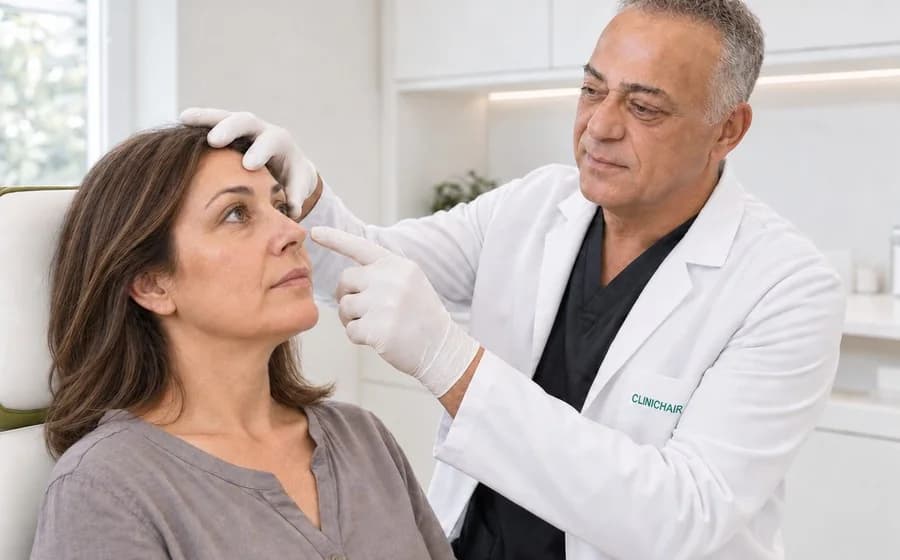
Rhinoplasty
Addresses the appearance of the nose and breathing function together. The structure of the nose, profile balance and personal expectations guide the surgical choice.
Nasal structure · Breathing function · Profile balance
See the details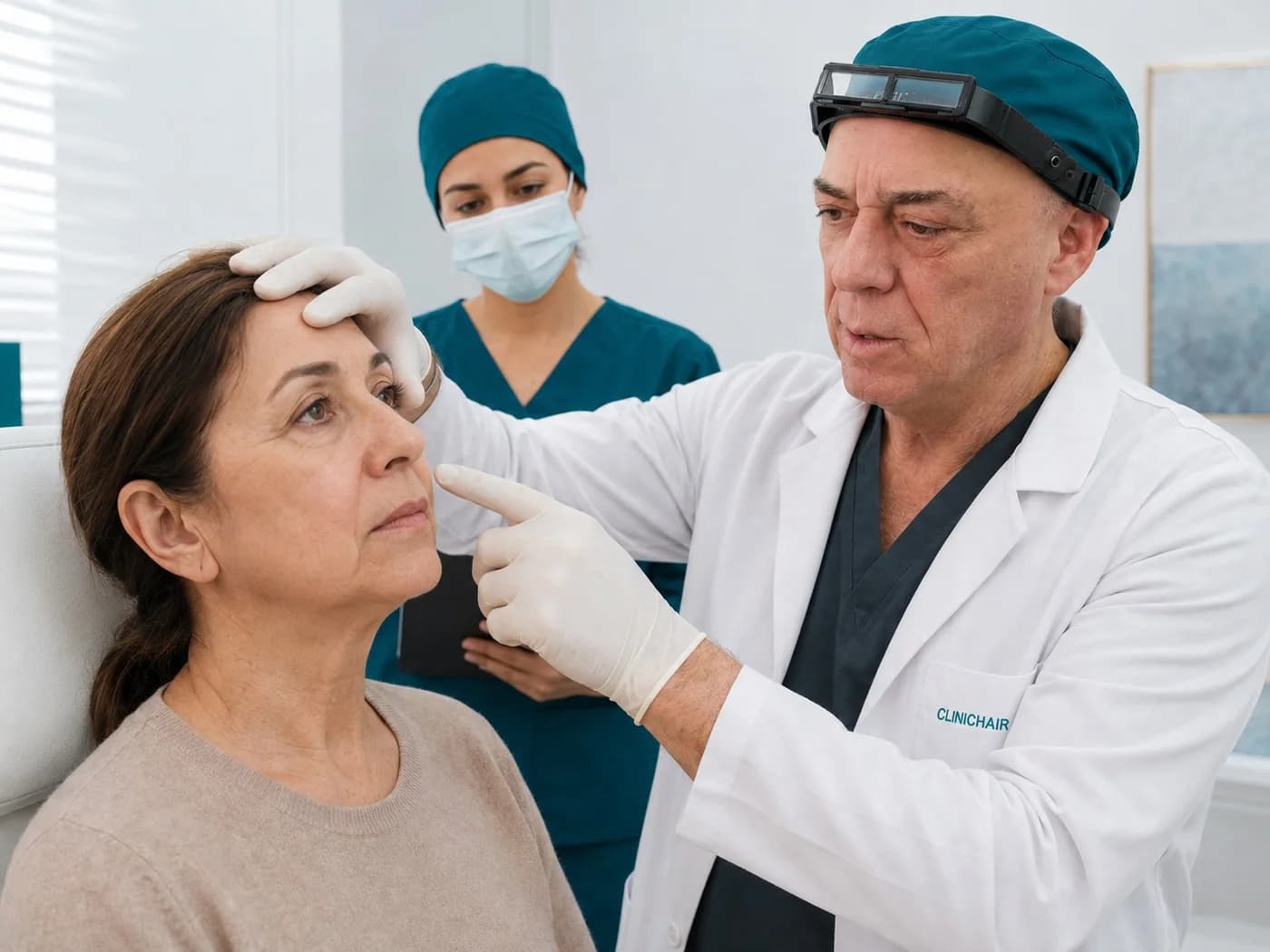
Eyelid Surgery
Planning is based on the tissue structure of the upper and lower eyelids, excess skin and the characteristics of the eye area.
Excess tissue · Eye area · Personal plan
See the details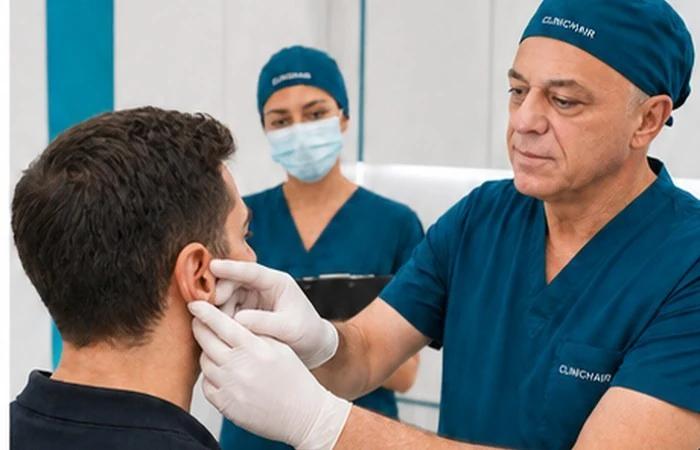
Prominent Ear Surgery
Covers surgical options for the angle of the ear, the cartilage structure and the ear's relationship to the head.
Ear angle · Cartilage structure · Symmetry
See the details
Breast Aesthetics
Covers augmentation, reduction or lift options according to breast volume, tissue structure and personal needs.
Volume · Tissue structure · Chest proportions
See the details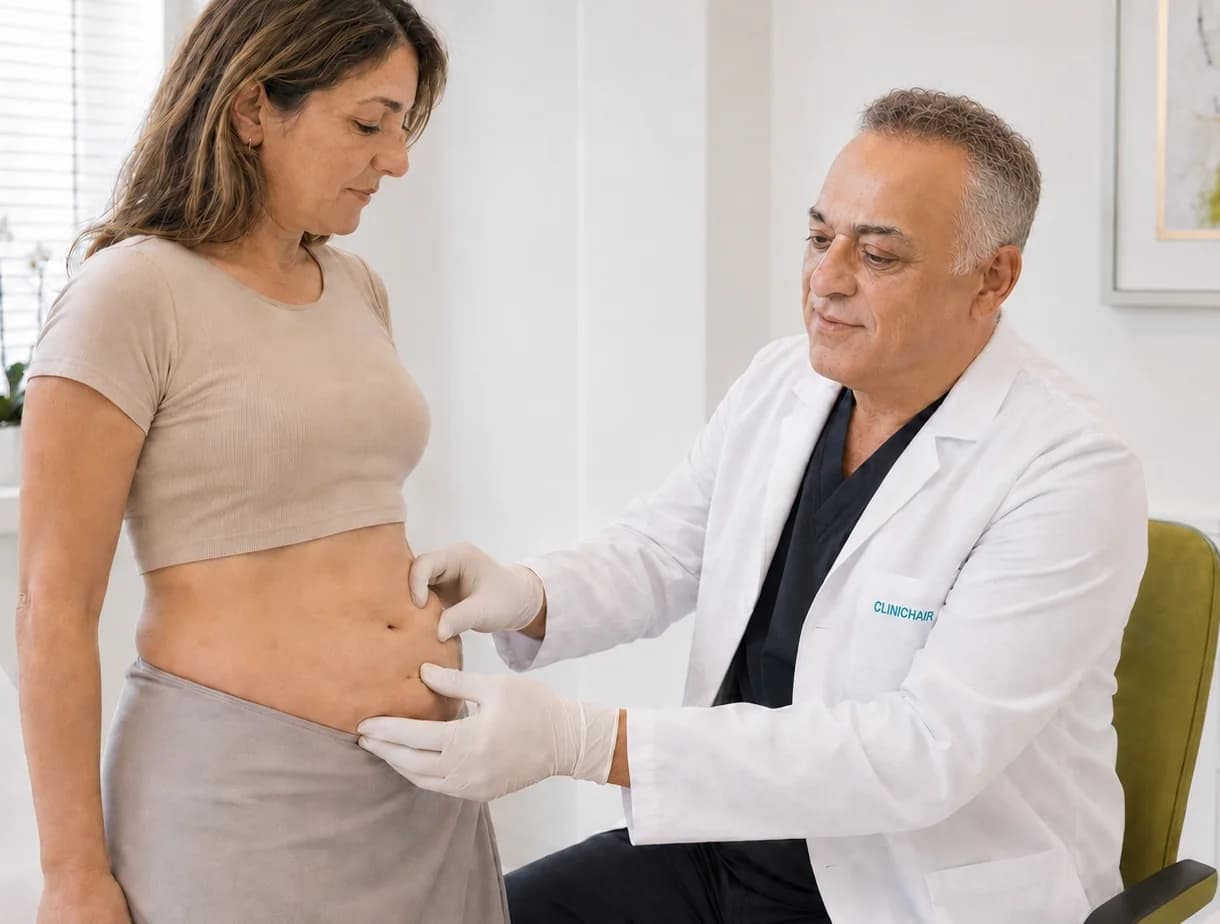
Tummy Tuck
Surgery for excess skin in the abdominal area and the needs of the abdominal wall. The incision site and scar position are confirmed at the consultation.
Excess skin · Abdominal wall · Scar planning
See the details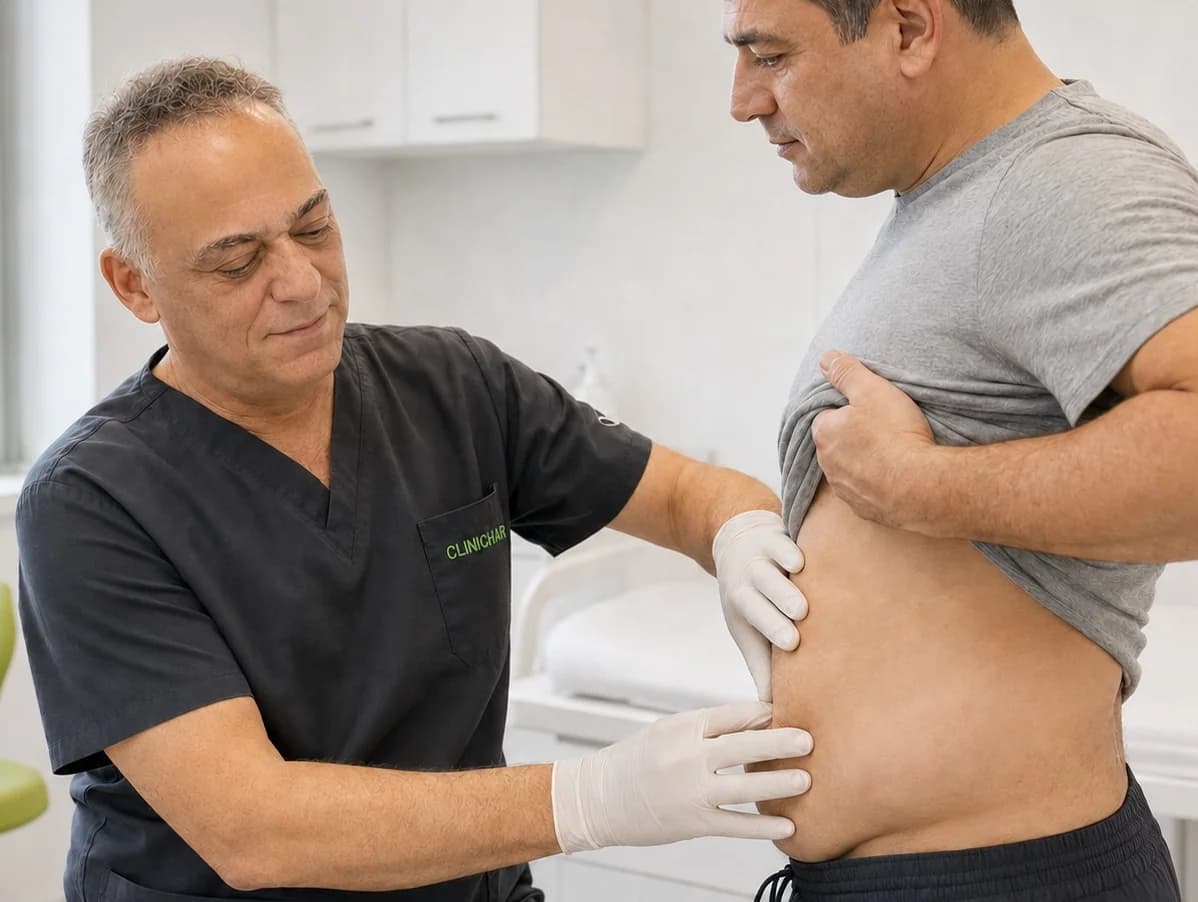
Liposuction
Localised fat and body contour are considered together. Liposuction is not a weight-loss method.
Localised fat · Body contour · Skin quality
See the details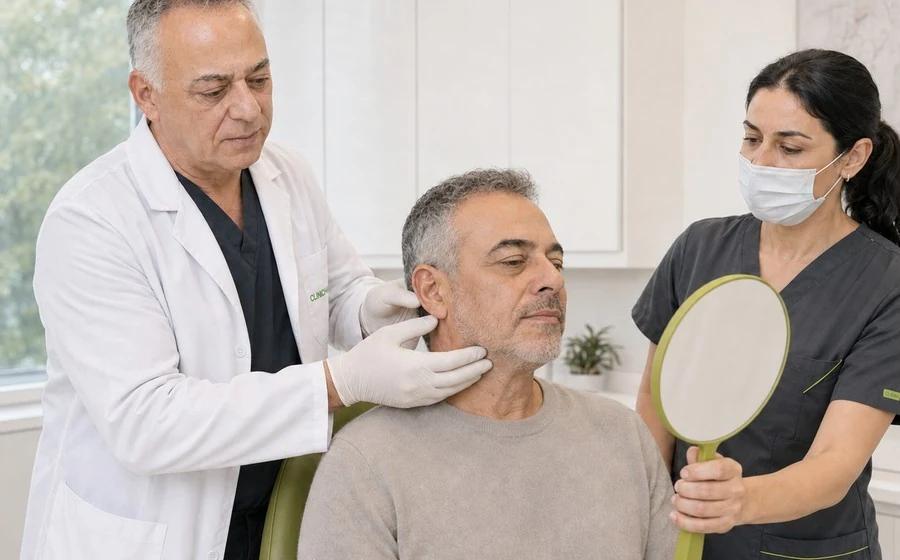
Face and Neck Lift
Covers surgical options for tissue laxity in the face and neck. Facial expression and personal characteristics matter in choosing the method.
Facial contour · Neck · Tissue laxity
See the detailsYour comfort during the procedure
Before surgery, we discuss the choice of anaesthesia, pain control and what to expect in the first hours. You can share your concerns and previous experiences of anaesthesia with the team. Monitoring continues throughout the procedure; after you wake up, tell the team about complaints such as pain or nausea.
03CARE AND FOLLOW-UP
Let's follow your recovery together.
The first days
Procedure-specific wound care, medication and daily life advice are shared.
Check-up timing
Healing, how the tissues settle and your needs are assessed by the surgeon.
Returning to daily life
When you can return to work, exercise and normal activities is planned according to the procedure.
Monitoring the result
As swelling and tissue changes ease, the result is assessed at check-ups; the follow-up plan is updated when needed.
04FREQUENTLY ASKED QUESTIONS
Common questions about plastic surgery
Which procedure is right for me?
We first discuss your expectations, medical history and the area that bothers you. At the examination, your anatomy and your skin and tissue characteristics are considered together. With this information, we explain the surgical options that suit you, the alternatives and the limits of the procedure.
How should I prepare for the first consultation?
Make a note of your medical history, previous surgery, allergies, and the medication and supplements you take. Bring any previous surgical reports and recent test results. Share the change you expect and your questions openly. Your surgeon and the anaesthesia team decide which new tests are needed; the same test list is not used for everyone.
Can I have surgery if I have a chronic illness?
The decision depends on the type of illness and how well it is controlled. Share any diabetes, high blood pressure, heart or lung disease, sleep apnoea and previous clotting problems. When needed, your surgeon and the anaesthetist carry out the preparation together with the physician who follows you. It may be necessary to optimise the treatment of the existing illness first or to postpone the operation.
Can more than one procedure be done together?
Some procedures can be done in the same session; this decision is not the same for everyone. Your health, the scope of the procedures, anaesthesia and recovery needs are discussed together. When needed, spreading the procedures over different times is also an option.
How are the surgery and anaesthesia plan decided?
The surgical method is chosen according to the examination findings and the targeted change. Your medical history, the medication you take and the necessary tests also guide the anaesthesia plan. Where the surgery will take place and the scope of follow-up are shared with you before the decision.
Should I stop smoking and vaping?
Yes. Smoking and nicotine can impair wound healing by reducing blood flow to the tissues and can increase the risk of complications. Tell your team about all nicotine products you use, including e-cigarettes. Confirm the date to stop with your surgeon before surgery; do not use them afterwards for the recommended period either. You can get help from your physician with support to quit.
Do I need to stop my medication and supplements?
Do not stop your medication on your own. Tell the team about everything you use, including blood thinners, diabetes or weight-management medicines, vitamins and herbal products. Some can affect bleeding or anaesthesia. Confirm with the relevant physicians which medicines to continue and, if any are to be paused, when to stop and restart them; follow the fasting and fluid instructions according to this plan.
What are pain and care like in the first days?
In the first days there may be pain, tightness and swelling; their level varies with the procedure. Pain control is discussed before surgery, and suitable medication and care instructions are given at discharge. If a dressing, drain or compression garment is needed, learn how to use it. Arrange your journey home and any support you may need in the first days in advance.
How are scarring and healing assessed?
Incision sites and any scars that may form are discussed in advance according to the chosen procedure. At check-ups, wound healing, swelling, how the tissues settle and the return to daily life are monitored together. Care advice is given according to the procedure and your personal healing.
When can I return to work, showering and sport?
There is no single schedule for returning. The extent of the surgery, the movements your work requires and your wound healing affect the timing. Starting short walks is not the same as heavy exercise or lifting. Follow the separate instructions given for showering, dressings, driving and exercise; confirm at check-ups what you can do and when.
How are check-ups planned?
Check-up dates are set according to the type of surgery and your healing needs. Early consultations focus on wound and tissue healing; later check-ups cover appearance and function. We also discuss your return to work, exercise and daily activities during this follow-up.
Which symptoms mean I should get help without waiting?
If you have increasing pain or swelling, fever, spreading redness, pus-like discharge or ongoing bleeding, contact your surgical team the same day. If you have new pain and swelling in one leg, get an urgent medical assessment. For sudden shortness of breath, chest pain or fainting, call 112; do not wait for a check-up appointment or a reply to a message.
When can I travel after surgery?
Discuss your journey home with your surgeon before the operation. Flying and being immobile for a long time can increase the risk of clots, especially after major surgery. The length of the journey, the procedure and your personal risks affect the right time; the same number of days is not given to everyone. Allow enough time for the first check-ups and confirm the follow-up after you return home and the healthcare facility to contact if needed.
When is the result assessed?
Swelling and tissue changes in the first days can affect the appearance. The result is assessed at check-ups as these changes ease and the tissues heal. There is no single result time for facial and body procedures; the follow-up period varies with the procedure.
Can I find out the product information for the implant?
Yes. If an implant will be used, you can ask your surgeon for the product's name, manufacturer, intended use and traceability details. For breast implants, you can also ask about information such as contents, surface and lot/serial number. ÜTS registration does not on its own mean “Ministry approval”.
How are the fee and the follow-up scope agreed?
We confirm together the surgical method, anaesthesia, place of surgery and scope of follow-up before the procedure. You can decide knowing which services are included in the price. If the scope of the plan changes, we share the reason and cost of the additional procedure in advance and proceed with your approval.
Question not answered here?Message our patient adviser
This page is for general information. Personal assessment is made through a physician’s examination.