
PLASTIC SURGERY
Prominent Ear Surgery
A plan tailored to your ear structure and facial proportions.
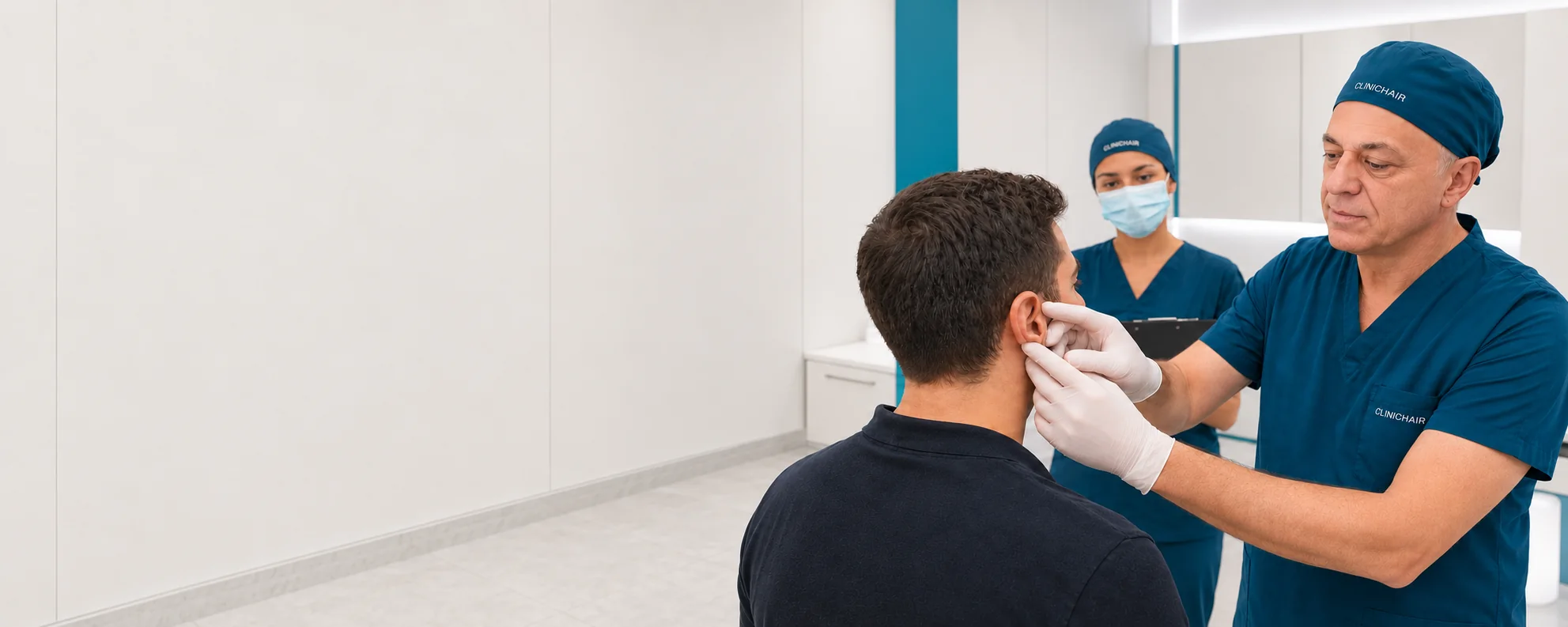
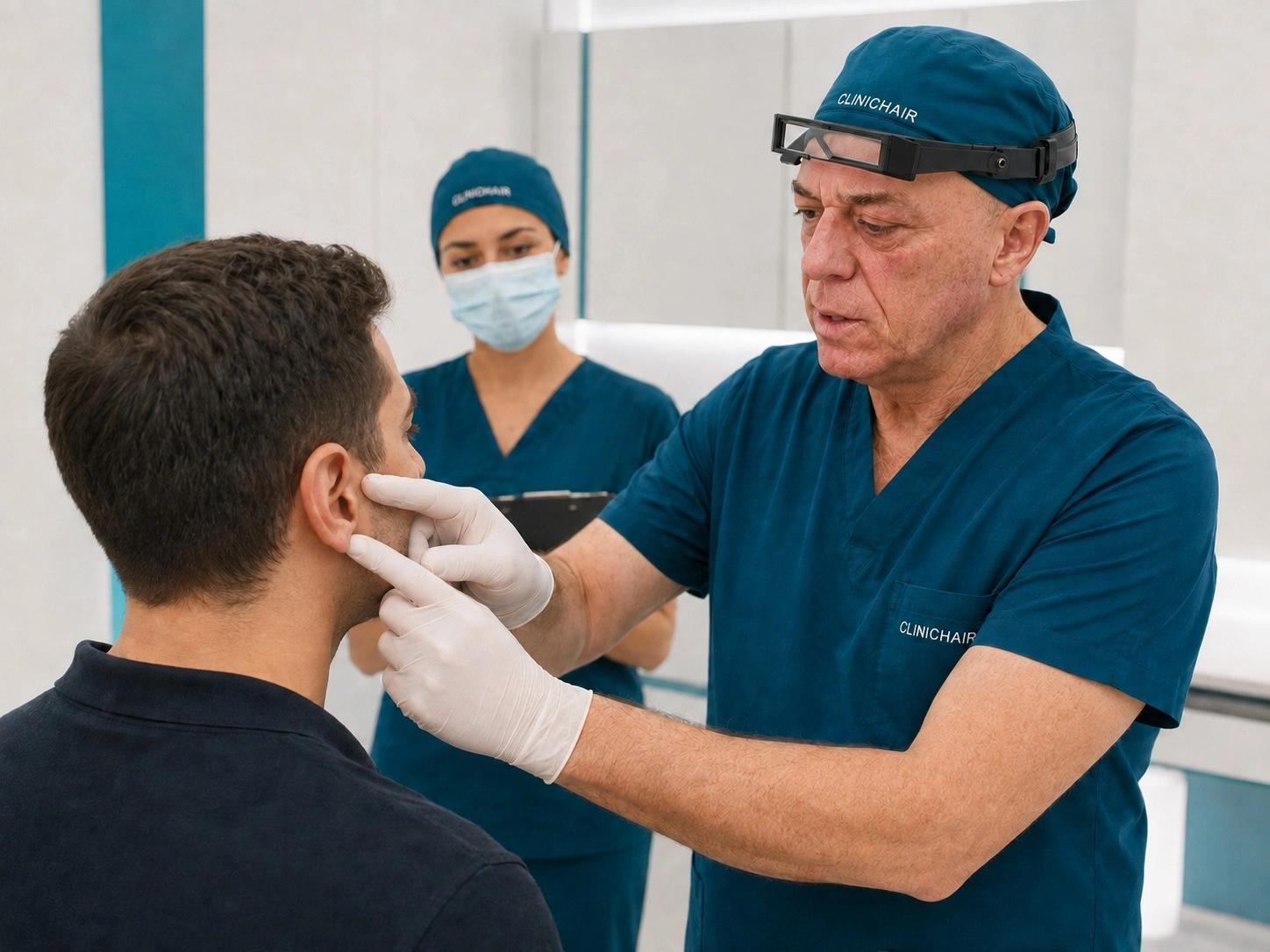
We assess the folds of the ear, the cartilage structure and the angle between the ear and the head together. The targeted change, surgical approach and recovery are planned with a personal examination.
The final plan is determined by the physician's examination and the necessary assessments.
Clinical images are representative.
01ASSESSMENT AND PLANNING
Let's assess the position and structure of the ears.
- Ear anatomy
- The folds, cartilage structure, angle to the head and differences between the two ears are examined.
- Health history
- Illnesses, medication, allergies, scar formation and previous procedures are discussed.
- Age and readiness
- Growth, surgical suitability and the person's expectations of the procedure are assessed.
- Personal goals
- The possible change, the limits of symmetry, scars and the follow-up plan are considered together.
02METHOD AND PROCEDURE
Choosing a method suited to the cartilage structure.
Ear anatomy, the angle to the head and personal needs are assessed together.
Reshaping the fold
How prominent the ear folds are is addressed with surgical techniques suited to the cartilage structure.
Assessing the angle
The ear's relationship to the head and, when needed, cartilage reshaping options are assessed.
Personal surgical plan
The approach for one or both ears is decided according to the examination findings and needs.
Your comfort during the procedure
The choice of anaesthesia depends on your age, the extent of the surgery and the discussion we have with you. For children, explaining the preparation in clear, age-appropriate language helps reduce anxiety. In procedures where you are awake, you can tell us about any discomfort; afterwards, let the team know about pressure from the bandage and any pain.
03CARE AND FOLLOW-UP
Let's follow the healing of the ears together.
The first days
Swelling, tenderness and bruising may occur. Dressing and bandage advice is shared individually.
Check-up consultations
Wound healing, ear position and the suture areas are assessed.
Returning to daily life
Advice on protecting the ears from pressure and injury, sleep and sport is set by the surgeon.
04FREQUENTLY ASKED QUESTIONS
Common questions about prominent ear surgery.
From what age can prominent ear surgery be done?
In children, it can be considered once the ear cartilage has developed enough, usually from the age of five onwards. Age alone is not enough; it is also important that the child can express their wishes, take part in the process and follow care advice. We discuss the timing of surgery together with the child's development and school life; a child who is not ready is not rushed just because of appearance.
How are children assessed?
The child's development, ear structure, health and their own expectations of the procedure are considered together. Surgical preparation, anaesthesia and the care process are discussed with the family. The right time and method are decided by a personal examination; the decision is not based on appearance alone.
Can prominent ears also be corrected in adults?
Yes, it can also be done for adults in suitable health. The firmness of the cartilage, skin structure, previous procedures and differences between the two ears affect the method. The aim is to reshape the ear's relationship to the head and its folds in a way that suits the person. At the consultation, you can openly describe the appearance that bothers you and the change you expect.
Is the same procedure done on both ears?
The ears are assessed separately. Depending on differences in cartilage structure and angle, each ear may need different adjustments.
Will this procedure also resolve my hearing complaint?
The aim of prominent ear surgery is to reshape the ear and adjust its angle to the head. Hearing complaints need a separate assessment. If you have such a complaint, share it at the consultation; a procedure on the shape of the ear does not replace hearing treatment.
Is local or general anaesthesia needed?
The choice of anaesthesia relates to age, the extent of the procedure and the ability to stay comfortable during it. General anaesthesia is often used for children; for suitable adults, local anaesthesia, with sedation when needed, can be an option. Share your medical history with the anaesthesia team. Discuss going home and the need for support on the first night in advance.
How should I prepare before surgery?
Share your medication, supplements, allergies, smoking or nicotine use and whether you have developed thick scars before. If there is a wound, discharge or infection in the ear, tell the team. Do not stop medication on your own; follow the fasting and preparation instructions. For children, it helps to explain the care process in age-appropriate language and to arrange the necessary time off school.
Where will the surgical scar be?
The incision site is explained at the consultation according to the ear's anatomy and the surgical approach chosen. If you have developed noticeable scars before, tell us. The suture areas and scars are also monitored at healing check-ups; the decision is not made expecting a scar-free result.
Will there be pain and itching in the first days?
There may be tenderness and tightness in the ear and itching under the bandage. Take the painkiller you are given as prescribed; do not loosen or remove the bandage to scratch. If you feel marked pressure, increasing pain on one side or the bandage slips, contact the team. Adjusting and removing the bandage should be done according to the check-up advice.
How is bandage use planned?
Dressing and bandage use is explained individually according to the procedure carried out. Ask your team how long and in what way to use it. Follow the advice on protecting the ears from pressure and injury during sleep, sport and daily life.
When can I wash my hair; how can I sleep?
When you can wash your hair depends on the condition of the first dressing and the care of the incision; get clear instructions at discharge. Do not get the bandage wet and do not rub the suture area. In the early period, use a sleeping position that does not fold the ear or press on it. If a protective headband was recommended for the night, wear it as described; do not replace it with a tight band of your own choice.
How do returning to school, work and sport work?
Children can often return to school, and adults to desk work, within one to two weeks; the bandage and personal healing affect this. A longer break may be needed for swimming and especially for contact sports where the ear could be hit. Informing the teacher or coach helps prevent the ears being pulled or knocked in the early period.
When does the new ear shape look clearer?
The change can be seen when the bandage is removed; because of swelling and tenderness, the ears are not in their final state at first. As the tissues soften, the folds look more natural. Small differences between the two ears that existed at the start may not disappear completely. At check-ups, we monitor how the shape settles and the suture areas together; do not try to shape the ear by hand in the early period.
Can the shape of the ear change again?
The position of the ear is followed during and after healing. The shape may partly return or further intervention may be needed. At check-ups, the structure and position of both ears are considered together; share any changes you notice with the team.
Which symptoms mean I should contact the team straight away?
Problems such as a collection of blood, infection or inflammation of the cartilage may need early intervention. If one ear has rapidly increasing swelling and pain, marked redness, fever, foul-smelling discharge or bleeding that soaks the bandage, contact the team the same day. Do not wait for your check-up date and do not open the bandage yourself to try to fix the problem.
How are the fee and the follow-up scope agreed?
We confirm together the surgical method, anaesthesia, place of surgery and scope of follow-up before the procedure. You can decide knowing which services are included in the price. If the scope of the plan changes, we share the reason and cost of the additional procedure in advance and proceed with your approval.
Question not answered here?Message our patient adviser
Explore plastic surgery servicesThis page is for general information. Personal assessment is made through a physician’s examination.