

TRADITIONAL AND COMPLEMENTARY MEDICINE
Complementary Medicine (GETAT)
A personal plan suited to your medical history.
We assess your complaints, medical history and current treatments together. We plan the complementary options that may suit you, their possible benefits and the follow-up process with a physician's examination.
The final plan is determined by the physician's examination. Representative clinical image.
01ASSESSMENT AND PLANNING
How is your personal plan built?
We listen to you first, and discuss your complaints, medical history and expectations together.
- Complaints and expectations
- We find out how long your complaints have lasted, how they affect your daily life and your goals.
- Health history
- We review your illnesses, allergies, medication and previous treatments.
- Examination and assessment
- The physician considers the examination findings and, if needed, tests together with your personal suitability.
- Personal plan and follow-up
- We explain the possible benefits, risks, other options and the scope of follow-up from the start.
02TREATMENT OPTIONS
Explore GETAT and related treatments.
Look at the differences between the methods; let's discuss which may suit you at the physician's consultation.
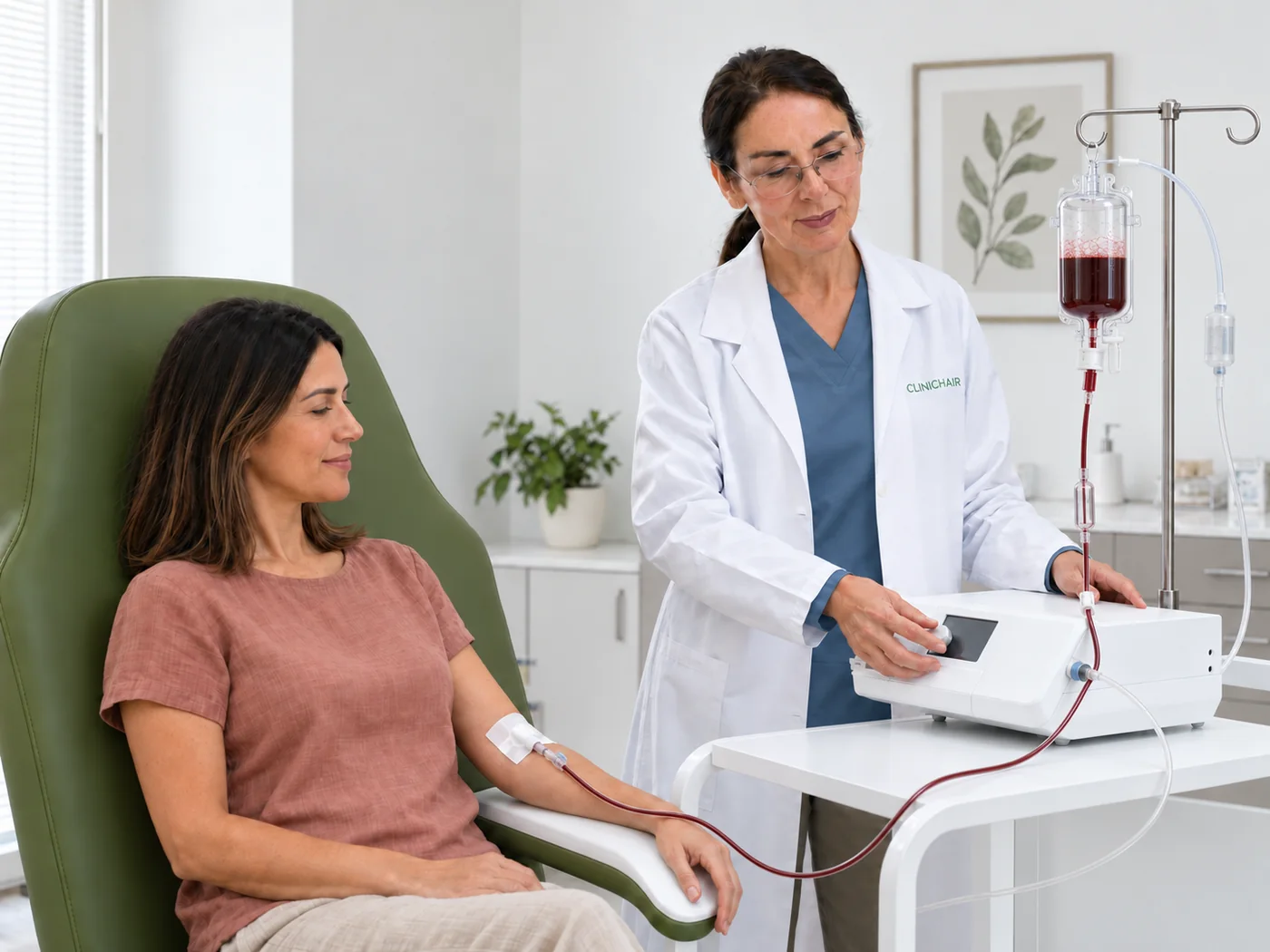
BLOOD AND SALINE OZONE
Ozone Treatments
Treatment with blood and ozonated saline are two different methods. Explore their preparation, route of administration and follow-up.
See the details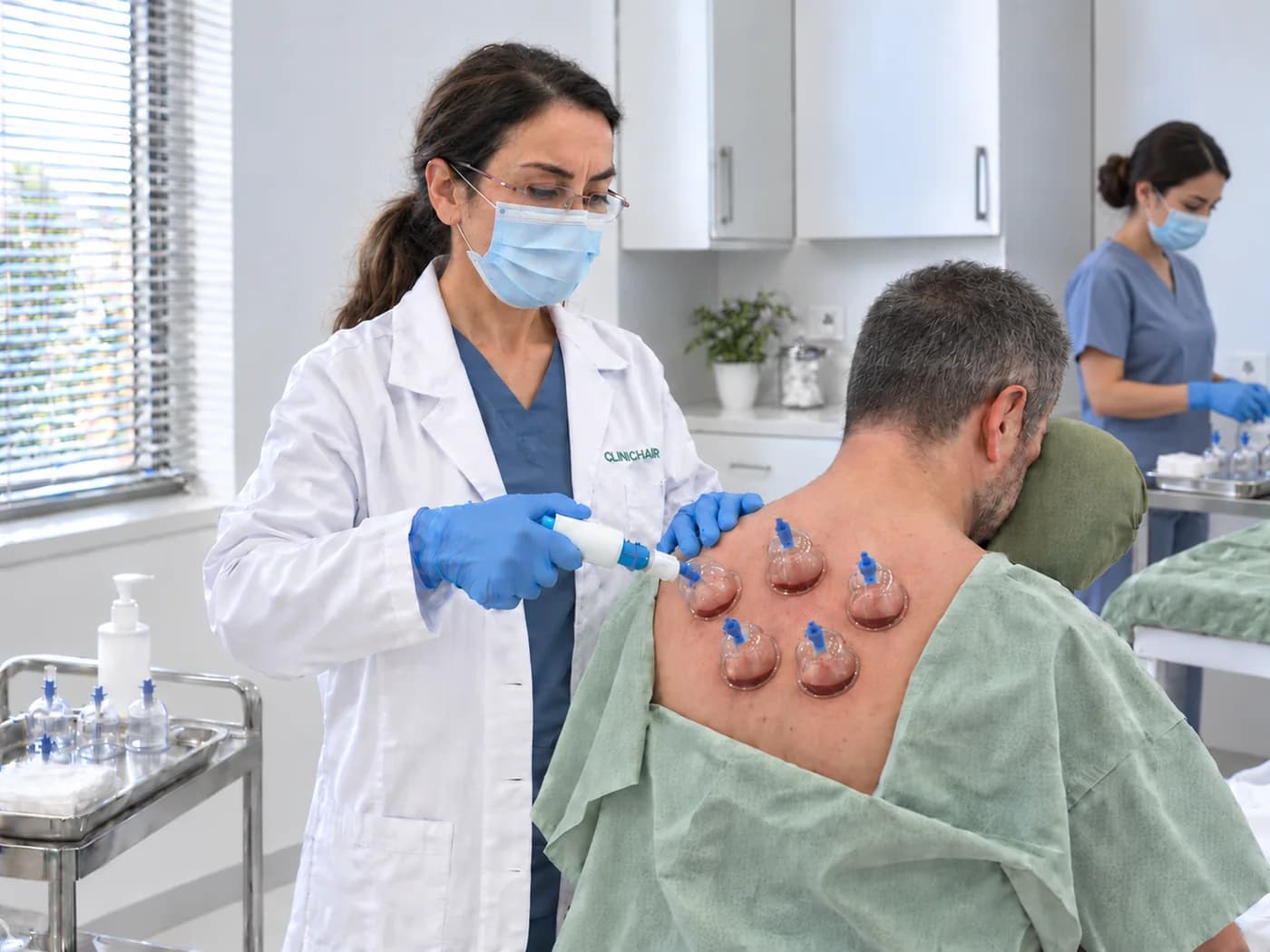
DRY CUPPING AND WET CUPPING
Cupping and Hijama
Dry cupping uses suction; wet cupping uses superficial skin incisions in addition to suction. Skin and bleeding history matter in choosing the method.
See the details
MEDICAL HYPNOSIS
Hypnotherapy
An approach that uses focus, relaxation and suggestion. Learn about the goal of the session and how it progresses.
See the details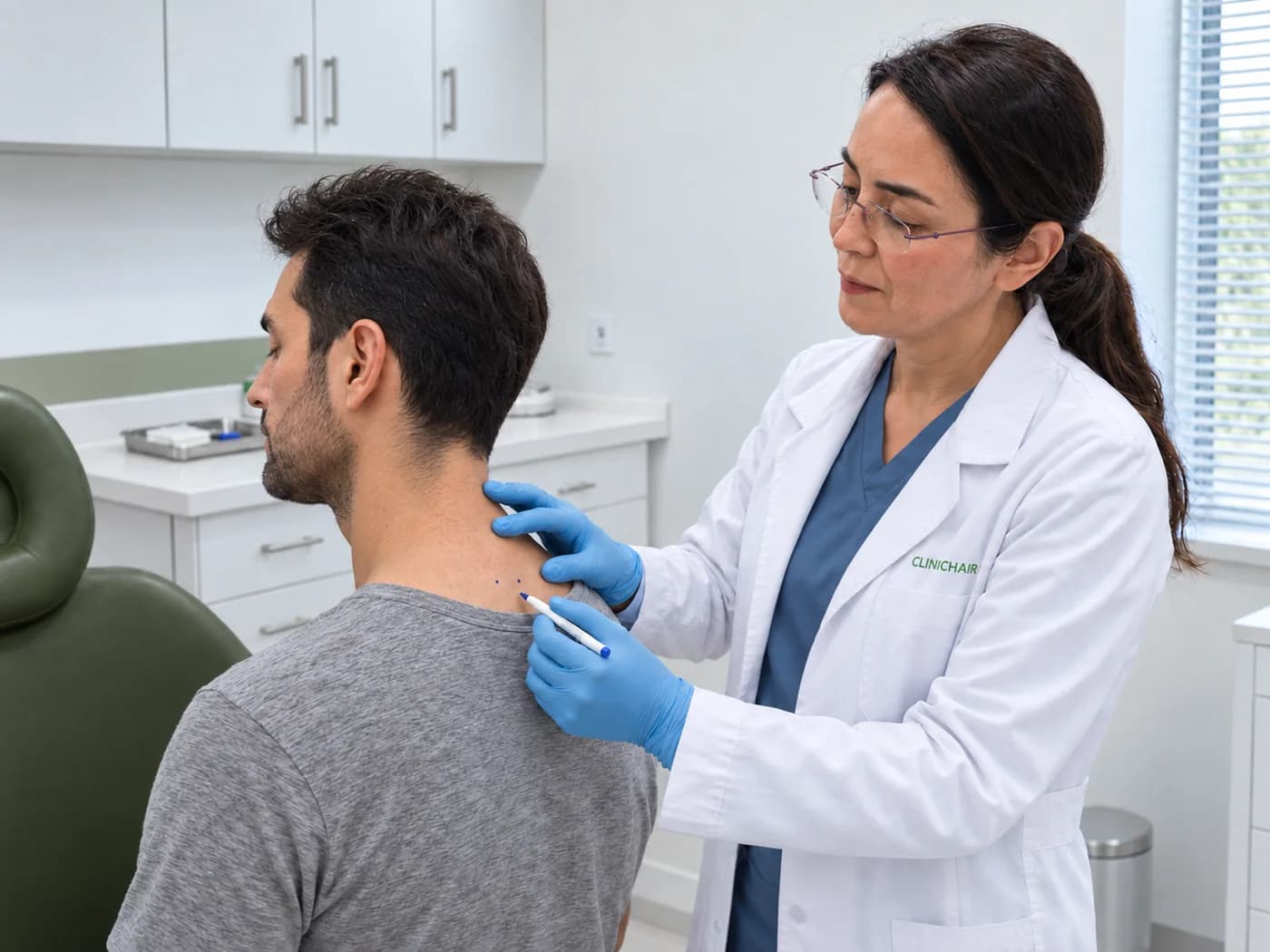
RELATED TREATMENT
Neural Therapy
In treatments with local anaesthetics, the cause of the pain and previous treatments are addressed first. We discuss the area and follow-up at the examination.
See the details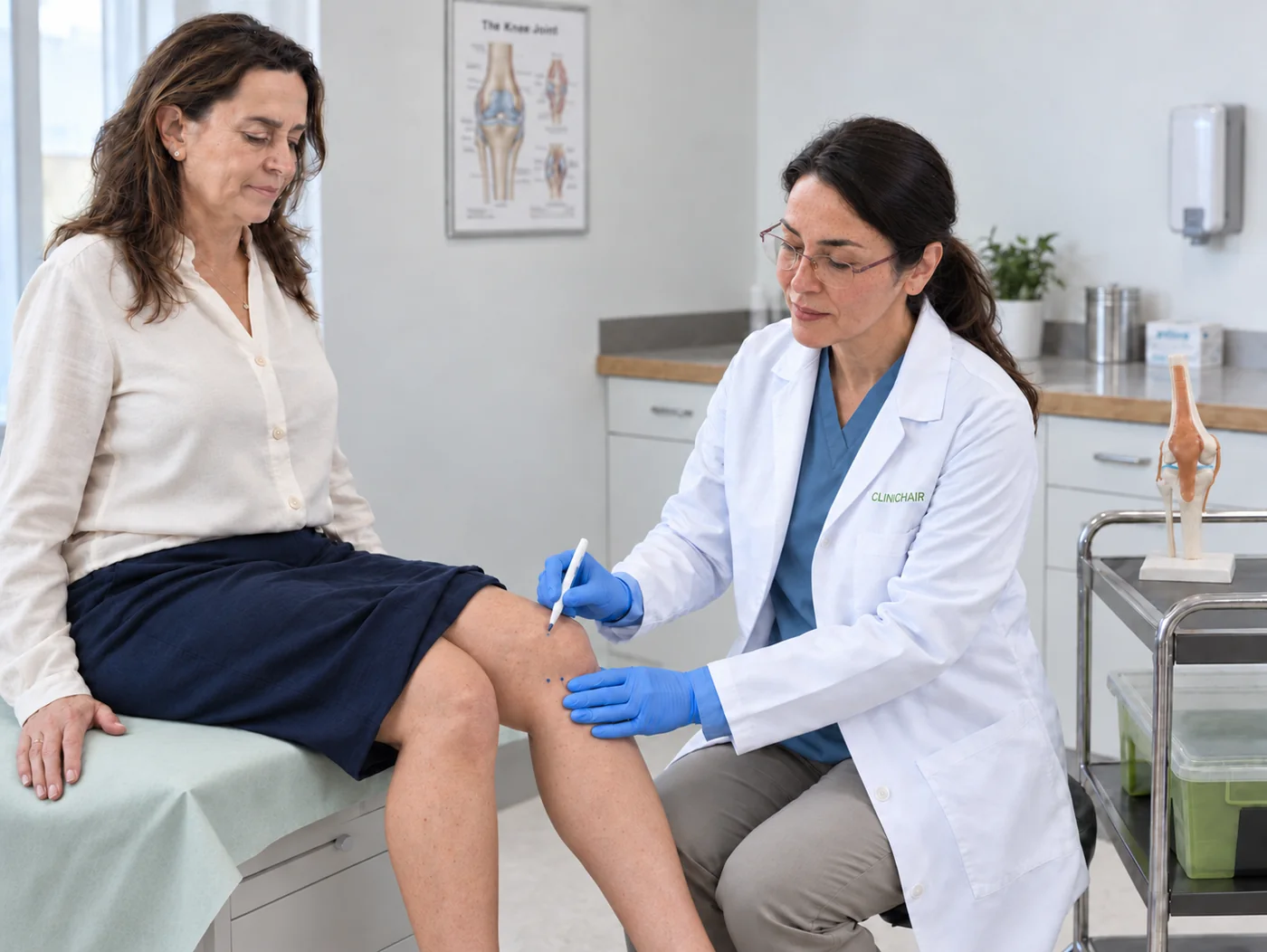
MUSCLE AND JOINT ASSESSMENT
Prolotherapy
An injection method used for selected muscle and joint complaints. We discuss its suitability, possible benefits and other options at the examination.
See the details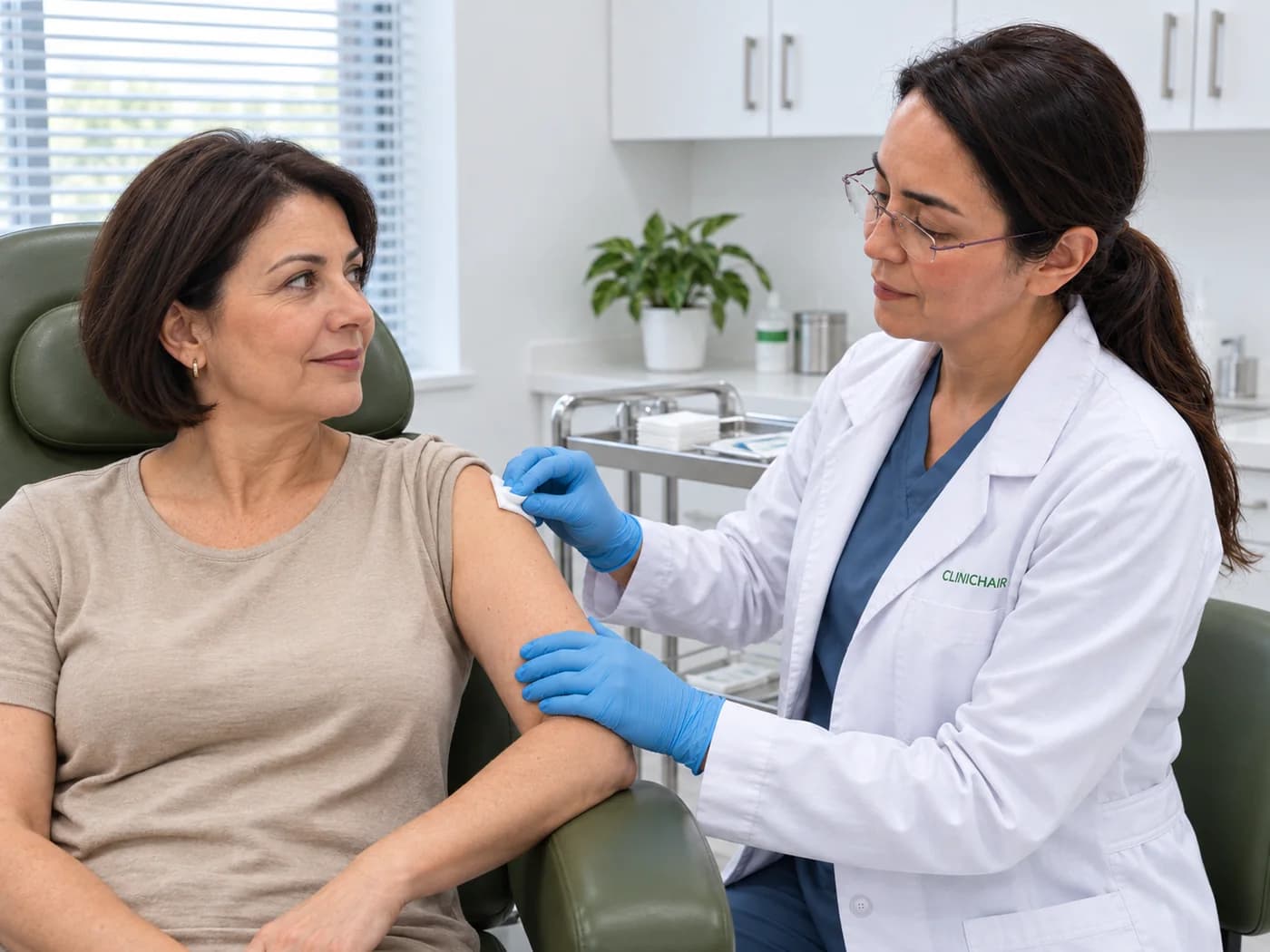
PAIN-FOCUSED PLANNING
Pain Mesotherapy
Treatment is given in small amounts with superficial injections into the skin. The cause of the pain and medical history matter in choosing the contents and target area.
See the details03CARE AND FOLLOW-UP
Let's follow the post-treatment process together.
Initial assessment
At the end of the procedure, we check how you feel and explain the expected effects and care advice.
Daily life
We share advice on returning to work, showering and exercise according to the treatment carried out.
Check-up timing
We confirm the check-up date and whether another session is needed according to your personal situation.
Monitoring the response
We follow changes in your complaints and any side effects, and change the approach if needed.
04FREQUENTLY ASKED QUESTIONS
Common questions about GETAT
How is it decided which treatment suits me?
We first discuss your complaint, medical history, the medication you take and your expectations. After the physician's examination and any necessary tests, the suitable options, possible risks and scope of follow-up are explained. In some cases, another treatment or further investigation may be recommended instead of a particular treatment.
Does GETAT replace my current treatment?
No. These treatments do not replace necessary diagnosis and medical treatment. Do not stop ongoing medication, exercise, psychotherapy or other treatments without talking to your physician. The place of a complementary treatment within your current treatment is decided together.
What kind of benefit can I expect from these treatments?
The expected benefit varies with the chosen method and your reason for coming. Although research is promising in some areas, the evidence is not equally strong for every treatment and condition. At the consultation, we openly discuss the scientific data and uncertainties and set goals that matter to you, such as pain or everyday movement.
How should I prepare for the first consultation; are tests needed?
Bring any previous test results, imaging results and a list of the medication you take. Tell us when your complaint started and which treatments you have tried before. Not everyone needs the same tests; the need for further tests depends on the examination and the treatment being considered. If fasting or other preparation is needed, you will be told before the appointment.
Should I tell you about my medication and supplements?
Yes. Share your prescription and over-the-counter medicines, vitamins, herbal products and supplements. Also tell us about your allergies and any reactions to previous treatments. This information can affect the choice of method, especially for procedures involving injections or a risk of bleeding.
Do pregnancy, breastfeeding or a chronic illness affect suitability?
Yes, this information can affect the choice of method. Share in advance any pregnancy or breastfeeding, chronic illnesses, bleeding or clotting problems and active infections. Your physician examines whether the procedure being considered and the substances to be used are suitable for you, and postpones the treatment or suggests another option if needed.
Are blood ozone and saline ozone the same treatment?
They are not the same method. In treatment with blood, the blood taken is processed with a medical ozone-oxygen mixture according to a defined protocol and returned through a closed system. With ozonated saline, normal saline is ozonated and given intravenously. The suitable method and follow-up plan are discussed at the examination.
What is the difference between dry cupping and hijama?
In dry cupping, suction is created on the skin and the skin is kept intact. In wet cupping, i.e. hijama, superficial skin incisions are made in addition to suction. That is why bleeding risk, sterile materials and post-procedure dressing are especially important.
How does a hypnotherapy session progress?
In the first session, your reason for coming and the goal to be worked on are discussed. Focus and relaxation techniques are used in a comfortable setting, followed by suggestions suited to the goal. Communication and cooperation are maintained throughout the session; at the end, your experience and the need for follow-up are discussed.
How do neural therapy, prolotherapy and mesotherapy differ?
All three can involve injections; the substance used, the depth of injection and the target tissue differ. Neural therapy uses local anaesthetics. In prolotherapy, solutions usually containing dextrose are injected into targets around ligaments, tendons or joints. In pain mesotherapy, the chosen contents are given into the skin in small amounts and superficially. The method is chosen according to the cause of the pain.
Is the procedure painful; what is done for my comfort?
What you feel depends on the treatment. With injections, there may be a brief sting or burning; with cupping, a feeling of pulling and tightness. A comfortable position, having the steps explained in advance and short breaks when needed support your comfort. Tell us beforehand about any anxiety or sensitivity about needles; if you feel discomfort during the procedure, tell the team.
How much time should I set aside for a session?
The total appointment time consists of the first consultation, preparation, the treatment and, if needed, observation. That is why your first visit may be longer than later sessions. Once the method is clear, we share the approximate start and end times with you. Do not plan your work or journey home around the treatment time alone; confirm the total visit time when booking.
How many sessions are needed, and how is follow-up planned?
There is no common session schedule for all GETAT treatments. The chosen method, your complaint, your health and your response to treatment are taken as the basis. At check-up consultations, the change achieved and any side effects are discussed; the plan is updated if needed.
When can I return to work, showering and exercise afterwards?
Advice on returning depends on the procedure. After hijama, it is important to keep the dressing clean and dry; after injections, do not rub the area. If there is numbness from local anaesthesia, do not drive or start risky tasks until sensation and movement are back to normal. After hypnotherapy, in most cases no physical care is needed. Before you leave, confirm separately when you can return to work, showering and exercise.
What side effects can occur; when should I get help?
Depending on the treatment, temporary tenderness, redness, bruising or dizziness may occur; there are also risks such as infection, bleeding and allergy. If you have increasing pain, spreading redness, fever, discharge or bleeding that will not stop, get medical help without delay. If you have shortness of breath, swelling of the tongue or throat or loss of consciousness, call 112.
How are the fee and the follow-up scope agreed?
We clarify the scope of treatment and follow-up with you before the procedure. We explain how the sessions, check-ups and any additional services are included in the quote. Within the plan you approve, you will not face surprise extra charges; if the plan needs to change, we discuss it in advance.
Question not answered here?Message our patient adviser
This page is for general information. Personal assessment is made through a physician’s examination.
Updated: 4 October 2026