
COSMETIC DENTISTRY AND SMILE DESIGN
Porcelain Veneers.
Colour and shape in harmony with your teeth.
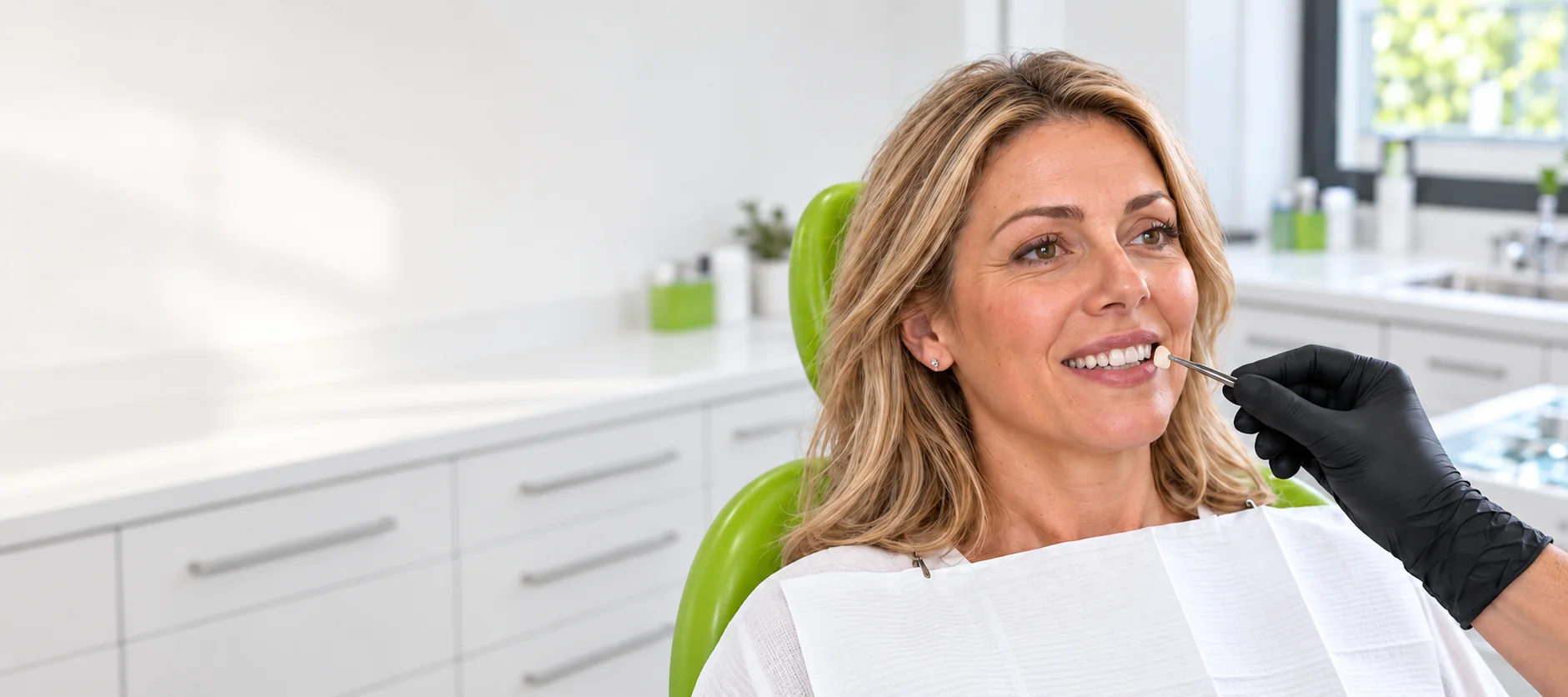
These are thin porcelain restorations applied to the visible surface of the front teeth. Changes in colour and shape are planned according to your tooth tissue and bite.
The final treatment plan is determined by a dental examination.
Clinical images are representative.
01ASSESSMENT AND PLANNING
A plan suited to your tooth tissue.
- Tooth tissue
- The existing enamel, fillings and tooth structure are examined.
- Gums and bite
- We examine gum health, contacts and any clenching habit.
- Colour and shape
- Tooth colour, length and harmony with the neighbouring teeth are planned.
- Health history
- Medication, allergies and previous treatments are reviewed.
- Alternatives
- Conservative options, possible benefits and limits are discussed.
02PRODUCT AND TREATMENT
From planning to the final try-in.
- 1
Planning and impression
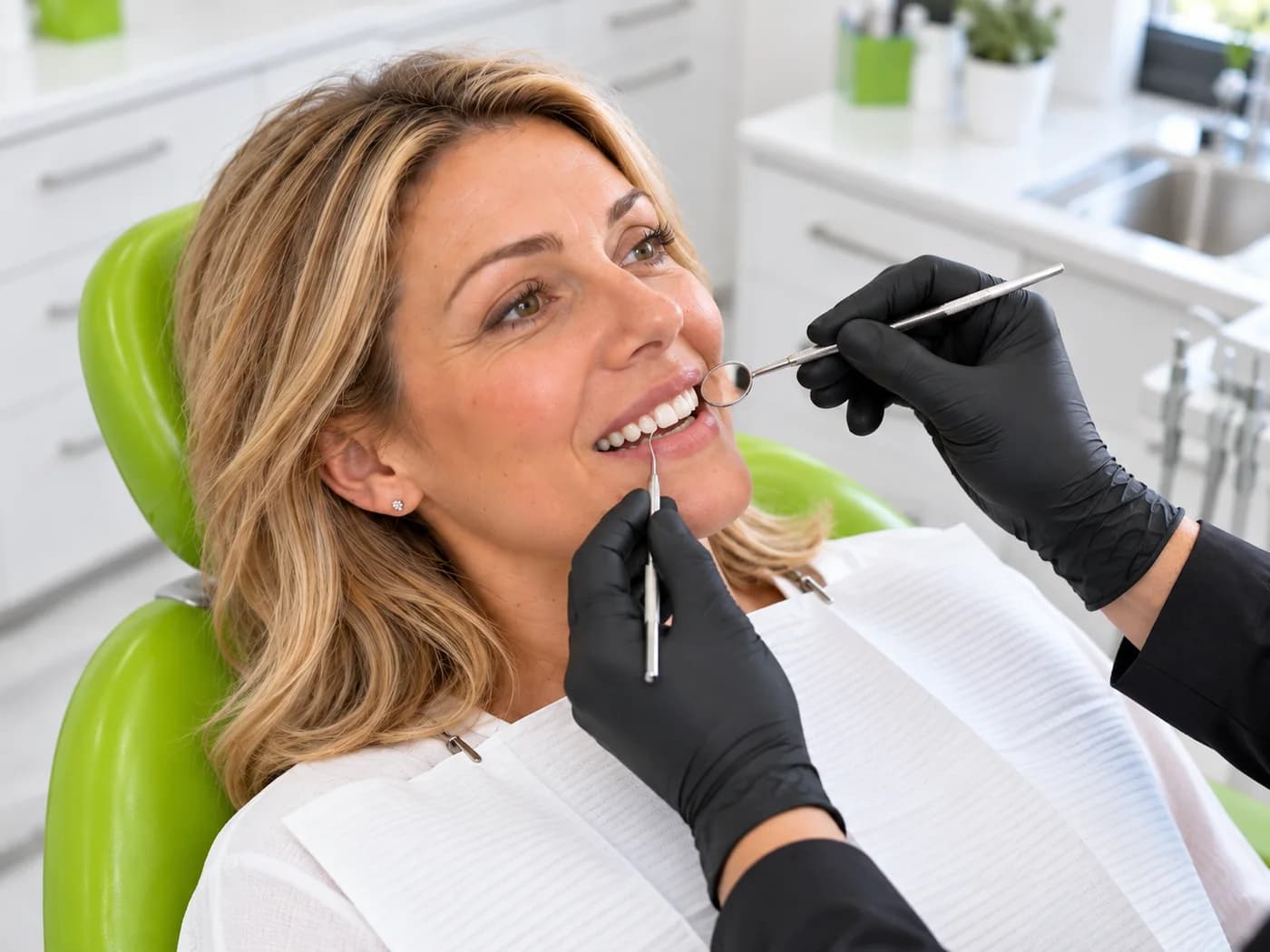
Colour and shape are decided; an impression is taken after the necessary surface preparation.
- 2
Production and try-in
Custom porcelain veneers are made; colour, shape and fit are checked.
- 3
Bonding and check-up
The veneers are bonded to the tooth surface; marginal fit and bite are checked.
03CARE AND FOLLOW-UP
Regular care after veneers.
- 1
Daily cleaning
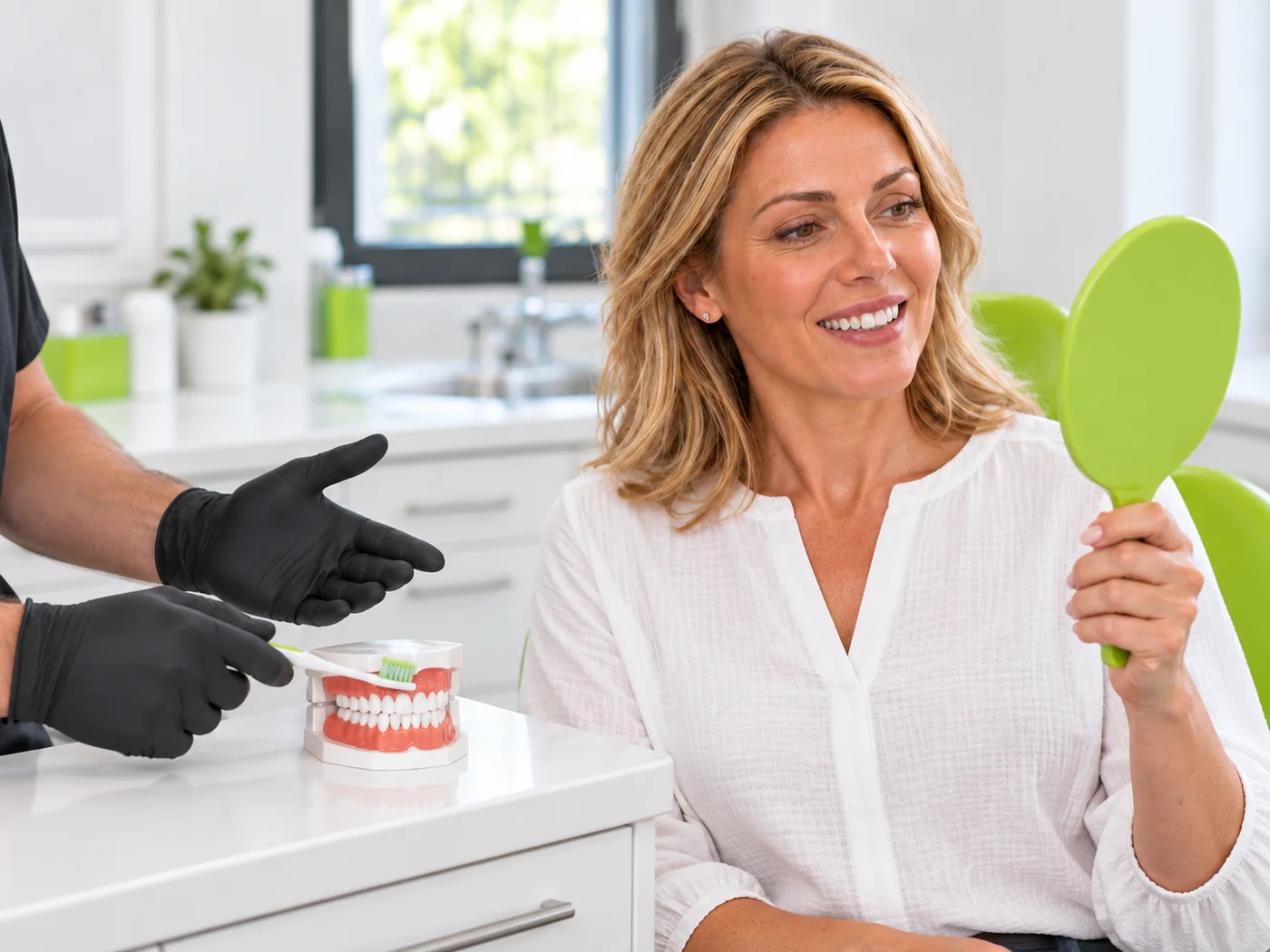
Regular brushing and cleaning between the teeth support oral health.
- 2
Regular check-ups
The veneer margins, gum health and bite are monitored.
- 3
Personal recommendations
Protective measures are considered according to habits such as clenching.
04FREQUENTLY ASKED QUESTIONS
Common questions about porcelain veneers.
Click a question to read the full answer.
What changes can porcelain veneers be considered for?
They can be an option for some differences in colour and shape in the front teeth, small chips or suitable gaps. The tooth tissue and the bite are examined first. Depending on your needs, options such as whitening, bonding or orthodontics may be more suitable.
Can porcelain veneers be applied to every tooth?
They may not suit every tooth. The existing enamel, fillings, gum health, bite and any clenching habit are examined together.
What is the difference between porcelain veneers and full crowns?
A veneer is a thin restoration that covers the front surface of the tooth. A full crown surrounds the tooth; the choice depends on the existing tissue and the bite.
Zirconia Crowns · ExploreCan I choose bonding instead of porcelain veneers?
For some small adjustments to shape and gaps, composite bonding may be suitable. Porcelain and composite differ in colour, care, repair and tissue preparation. You can make the choice based not only on appearance but also on your tooth's needs and your habits.
Composite Bonding and Aesthetic Fillings · ExploreHow much of the tooth surface needs to be reduced?
The amount of preparation depends on the existing tooth tissue and the colour and shape goals. Enamel reduction is irreversible; healthy tissue that can be preserved comes first.
Can I see the colour and shape before treatment?
Colour and shape are reviewed together during planning and try-in. The preview method that can be used is explained according to the scope of the chosen treatment.
Digital Smile Design · ExploreIn how many stages is veneer treatment completed?
After planning and impressions, custom veneers are made. At the try-in, colour, shape and fit are checked; restorations found suitable are bonded. Necessary preparation and the need for try-ins affect the number of sessions; the schedule is shared before the procedure.
Is there pain while veneers are made and afterwards?
Local anaesthesia may be used depending on the tooth preparation needed and your sensitivity. If you feel discomfort during the procedure, tell the team. There may be temporary sensitivity afterwards; if pain persists or your bite feels uncomfortable, contact your dentist without waiting for your check-up appointment.
Are veneers suitable if I clench my teeth?
Clenching can affect the forces on veneers. Suitability and protective measures are considered together with the bite; other options can also be discussed.
Can I eat normally with veneers?
Once the bite is adjusted, normal daily chewing is the aim. Biting hard things such as ice, pens or nails and opening packaging with your teeth can increase the risk of fractures. If you clench or play sport, find out which protective recommendations suit you.
What does the lifespan of porcelain veneers depend on?
How long they last depends on the remaining tooth tissue, the bonding and bite fit, oral care and habits. The veneer margins and gums are monitored at check-ups. Small repairs or renewal may be needed over time; it would not be right to give the same lifespan for everyone.
How should daily care be after veneers?
Continue brushing twice a day with fluoride toothpaste and cleaning between the teeth daily. A veneer does not protect the other surfaces of the tooth from decay. If floss catches at the edges, there is bleeding or cleaning is difficult, tell your dentist; choose suitable interdental care together.
Can I whiten my veneers later?
Whitening does not lighten porcelain. Because the procedure affects natural teeth, a colour difference with the veneers may appear. If you are considering both whitening and veneers, mention this at the start so that the colour choice and order of treatment are planned together.
Teeth Whitening · ExploreWhat should I do if a veneer breaks or comes off?
Contact your dentist and do not bite hard food with that tooth. If you can find the piece that came off, bring it to the appointment in a clean container; do not glue it at home. Depending on the condition of the tooth and the porcelain, re-bonding, repair or a new veneer are discussed.
Can I find out about the porcelain used?
Yes. You can ask your dentist about the type of porcelain, the bonding system and the laboratory details of your custom restoration.
How are the fee and the follow-up scope agreed?
The scope of preparation, production, try-in, bonding and follow-up is explained before the procedure. Pricing is set out together with the plan you approve.
Question not answered here?Message our patient adviser
This page is for general information. A personal assessment is made at a dental examination.