
Medical Aesthetics
The right questions before medical aesthetics
When preparing for a medical aesthetics consultation, first describe the appearance that concerns you and what kind of change you would like. You do not need to start with a particular product or amount. The right plan is created by considering your expectations, health information and the physician's assessment together.
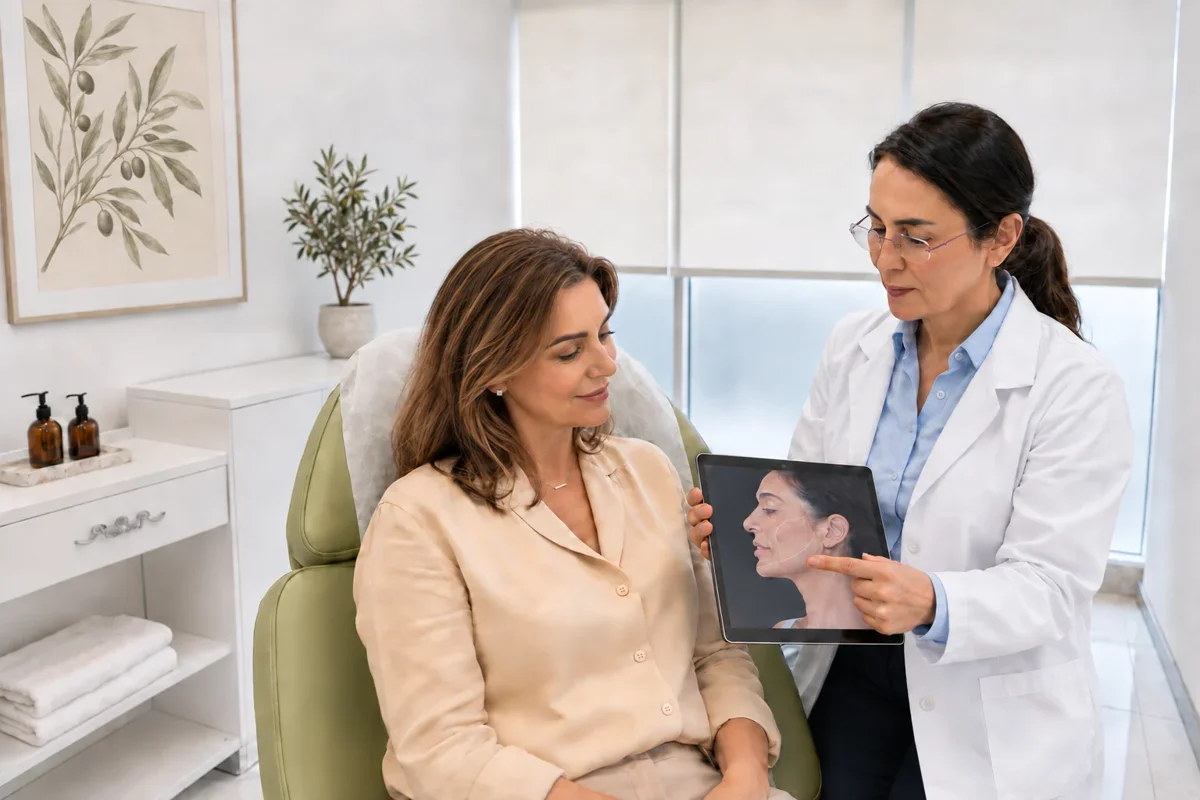
Discuss expectations before the name of the procedure
Which feature in which area concerns you? What kind of change would be enough for you? Answer these two questions in your own words. You can share a reference photo; however, do not assume a similar appearance can be achieved for you.
Ask your physician to explain what the recommended procedure can change and what it is not expected to change. Also discuss the alternatives, waiting or the option of not having a procedure. A consultation does not have to end in treatment.
Gather information on previous treatments and your health
List previous procedures with their date, area and, if you know it, the product name. Pass on information such as previous unwanted effects, allergies, a history of cold sores and the medication you use to your physician. If you do not know the product name, do not guess; share the records you have.
Add supplements and over-the-counter products to the list too. Mention any pregnancy, breastfeeding or plans for pregnancy. Do not stop your medication on your own. If you have an upcoming event or trip, the recovery and check-up plan should be discussed accordingly.
Find out who will treat you and which product will be used
Ask who will carry out the assessment and treatment and who will be responsible for follow-up. If a product or device will be used, find out its name, why it was chosen and the reason for it in your situation. A product name alone does not explain personal suitability.
Discuss how you can get the treated area, date and product information in the treatment record. These records make it easier to understand the previous treatment correctly in later assessments. Injections such as fillers are medical procedures; the treatment setting and the physician's experience matter.
Assess the expected effect and the risks separately
Find out when the result will be assessed, how long the effect may last and how the need for repeat treatment will be decided. The type and duration of effects such as redness, swelling or bruising can vary with the treatment; ask for personal aftercare advice.
With filler treatments, serious complications such as blocked blood vessels and vision problems can occur, even if rarely. The phrase “a quick procedure” does not mean it is risk-free. Discuss in advance the risks specific to you, how they will be handled and how to get help in an emergency.
Clarify follow-up, cost and the time to decide
Find out how the price covers the treatment, the check-up and any additional assessments. Ask how the need for repeat treatment or correction will be assessed. Get personal advice suited to the type of procedure for work, sport, make-up and travel.
Before deciding, you should be able to explain your goal, the alternatives, the possible risks and the follow-up plan in your own words. Ask again about any unclear points. Rather than rushing because of a short-term offer, take time to think.
Frequently asked questions
Questions on your mind before the consultation
Should I come to the consultation having chosen a specific procedure?
No need. First describe your expectations. The physician assesses the suitable options and the limits of each together with your examination findings, and may also recommend a different approach.
Can I choose not to have a procedure?
Yes. A consultation does not mean you have agreed to treatment. You can discuss the alternatives and the option of postponing, and ask for time to decide. Do not rush into a decision you are not comfortable with.
Why should I mention my previous treatments?
What should I do if I do not know the name of the product used before?
Say that you do not know. If possible, ask for the old treatment record or product card. Rather than guessing a product name, share clearly what information you have.
Do medication, supplements and a history of cold sores matter?
Yes. Tell us about prescription or over-the-counter medicines, supplements, allergies and any history of cold sores. Your physician assesses their importance for the plan; do not stop medication on your own.
Should I mention pregnancy or breastfeeding?
What should I ask about the product or device?
Ask about its name, intended use, why it was chosen for you and how you will get the treatment record. If there are different options, ask for the differences in expected effect, risk and follow-up to be explained.
Should I find out who will carry out the treatment?
Yes. Find out the practitioner's experience with the procedure, who will make the medical assessment and who is responsible for follow-up. Know your contact person and contact route for the procedure day in advance.
Does a photo on social media guarantee the result?
No. Another person's appearance does not show your anatomy or your personal response. Use the photo to explain your expectations; assess at the examination how realistic the goal is for you.
Is a short procedure risk-free?
Can every filler be easily reversed?
No. Reducing or removing filler depends on the type of product; it may not be easy or possible for every product. Discuss the risks of corrective procedures with your physician too.
When should I discuss the result and the need for repeat treatment?
Can I go to an event or travel straight after the procedure?
Do not assume so automatically. Share your upcoming dates; find out, specific to the procedure, how the expected effects and a possible need for a check-up might affect your plans.
Which symptoms after filler need urgent assessment?
If there is unusual pain, a change in vision or white, grey or blue discolouration near the treatment site, get medical help immediately. Do not wait for a reply to a message or for the check-up day.
Are a check-up or repeat treatment included in the price?
The scope of each quote can differ. Clarify in writing whether the treatment, the planned check-up, any additional assessment and repeat treatment are charged separately.
Which information should I keep after the treatment?
Keep the procedure date, the treated area, product information, aftercare advice and the contact channel. Add the check-up time to your calendar; share the previous records at any new assessment.
Sources
The clinical information sources are below. The questions and checklists have been prepared to help you get ready for the consultation.